Increasing trust by 60% in a facial spa

Task

Design a calming, user-friendly website for a new wellness studio that informs visitors, builds trust, and enables seamless online bookings for natural facial treatments.
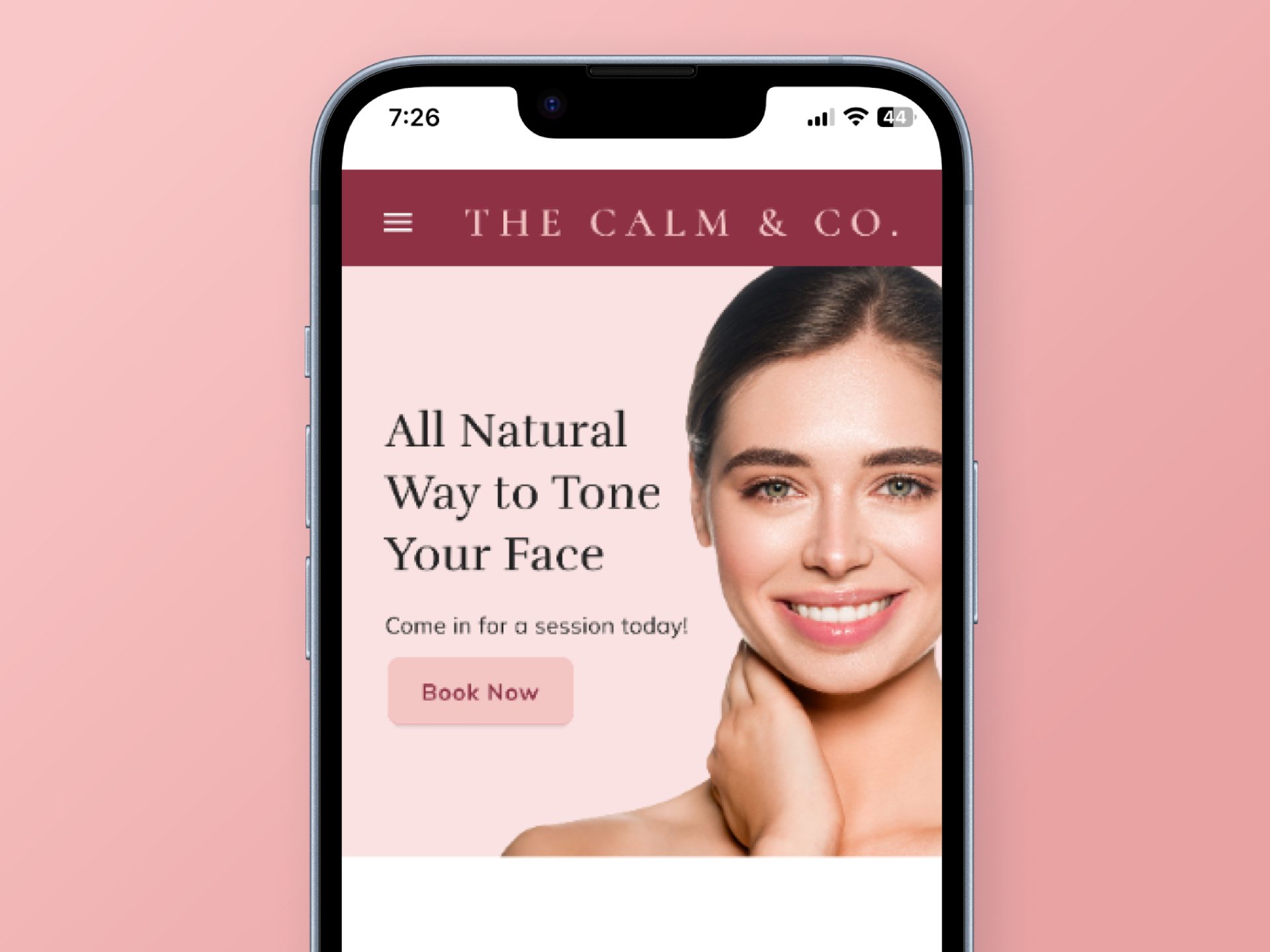
  • Role

    UX Designer, UI Designer, Brand Designer

  • Timeline

    2 months

  • Tools

    Figma, Miro, Abobe Illustrator

Case Study

Calm & Co, a newly launched wellness studio, needed a website that welcomed new visitors, built trust, and simplified bookings. Their team faced high overhead answering the same client queries and managing multiple therapist calendars manually, leading to scheduling conflicts and inefficiencies.

I designed an inviting and informative website that not only showcases their services but also provides a seamless booking experience, reducing staff workload and enhancing customer satisfaction.

User Research
UX/UI Design
Usability Testing
Web Design

Problem

As a new wellness studio in Mumbai, Calm & Co struggled with manual client communication and appointment scheduling, leading to high overhead and frequent booking issues. They needed a seamless, centralized system to improve efficiency and client experience.

Goal

To design a warm, informative website that builds trust, simplifies bookings, reduces staff workload, and reflects Calm & Co’s self-care-focused brand.

Target Audience

Women in Mumbai, aged 30–60, seeking natural, non-invasive facial treatments and a trusted, holistic self-care experience with easy online booking.

Success Metrics

75%

Task Success Rate

60%

Increased Trust Score
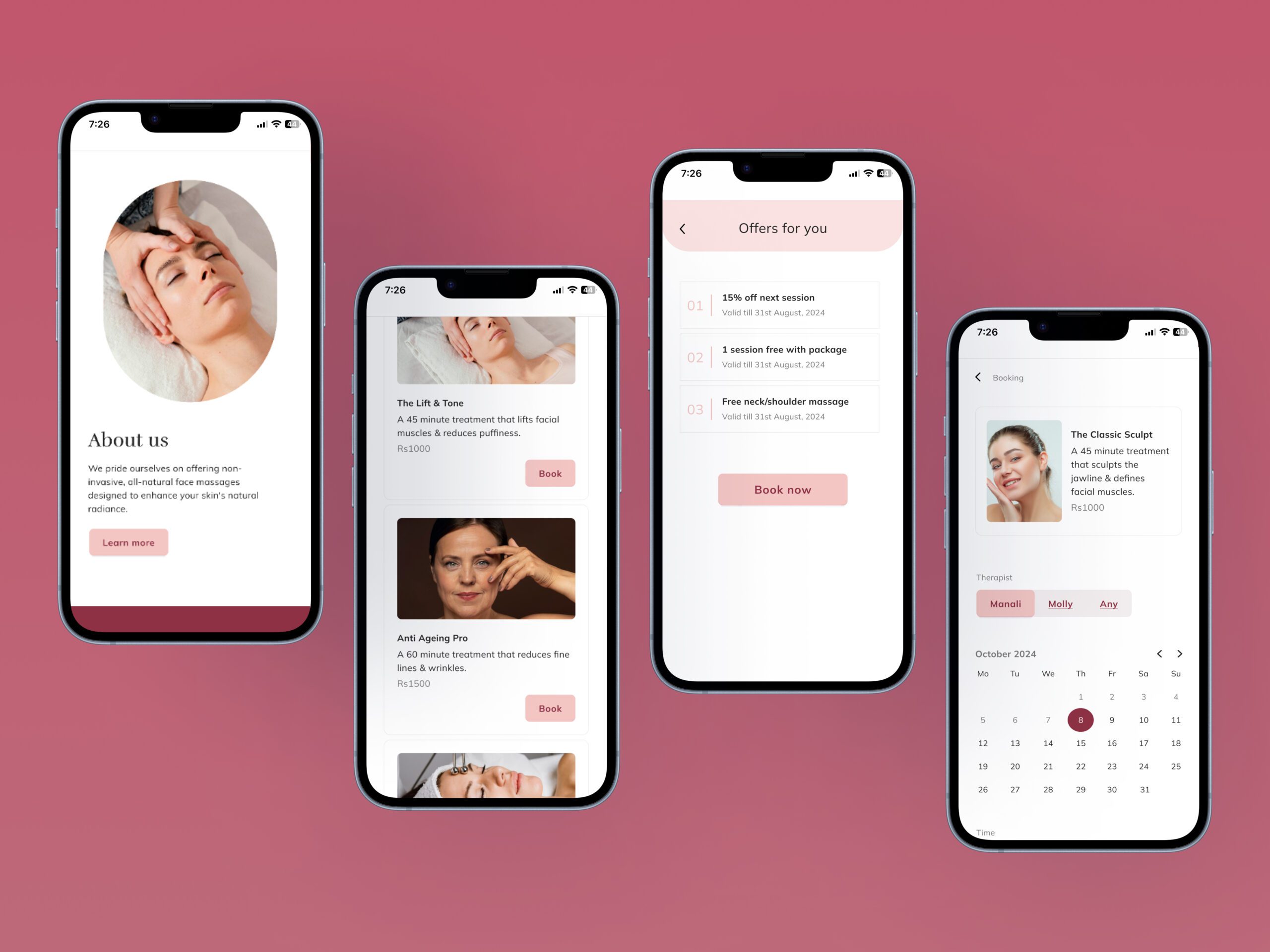
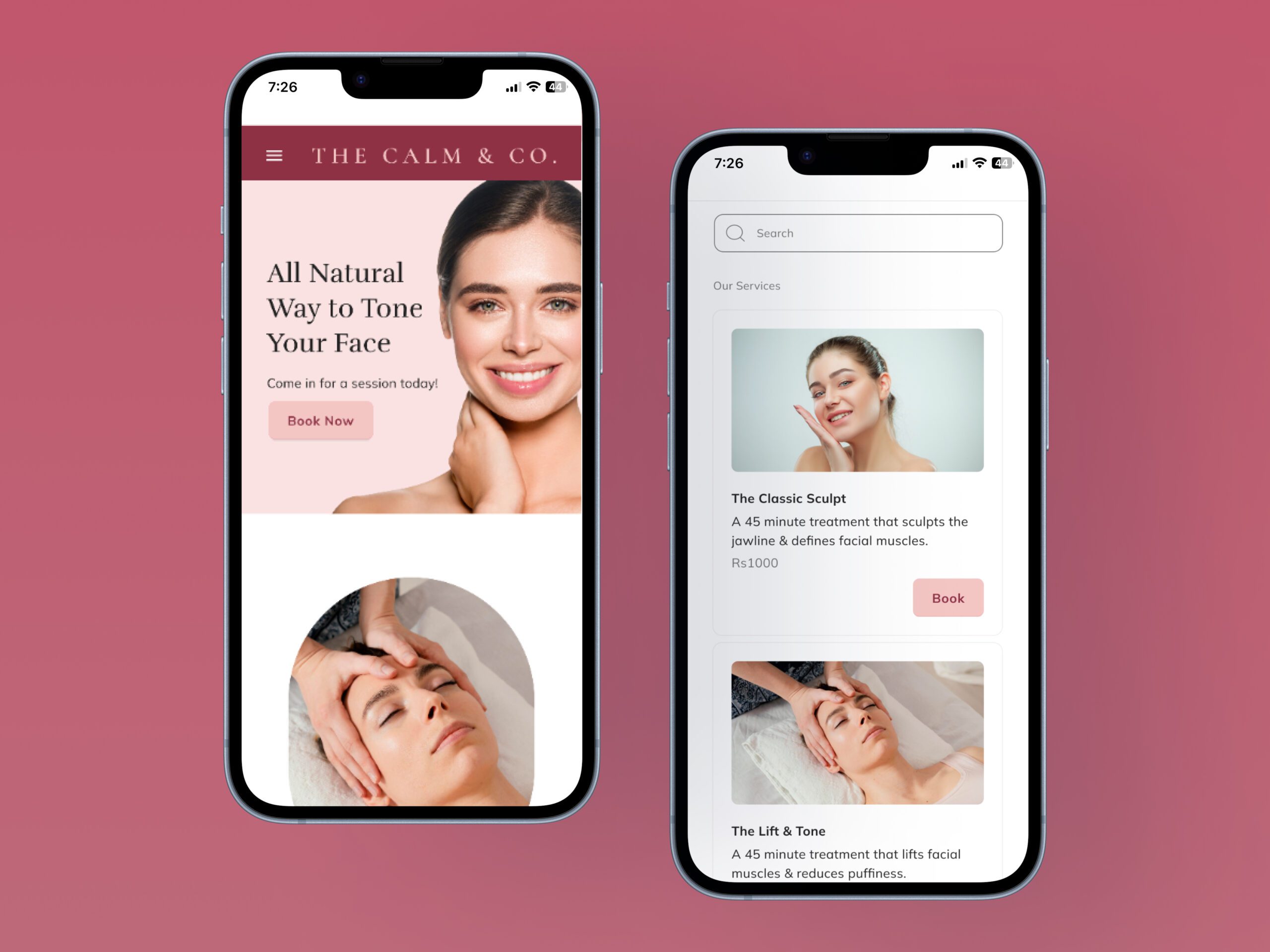
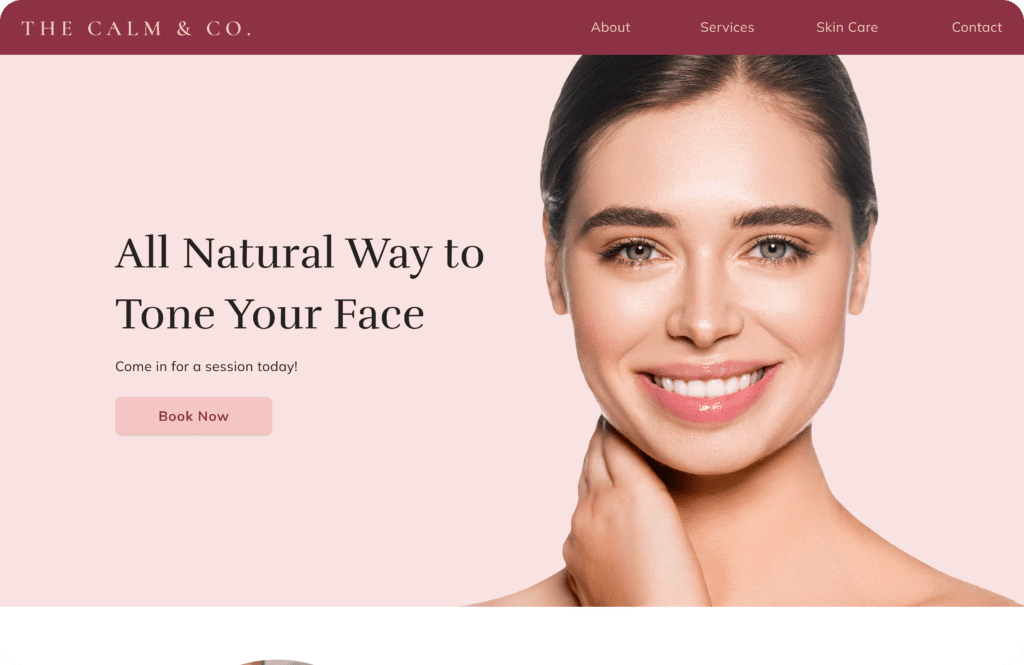
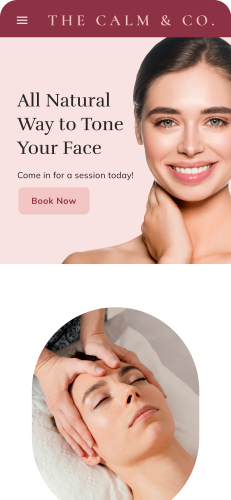
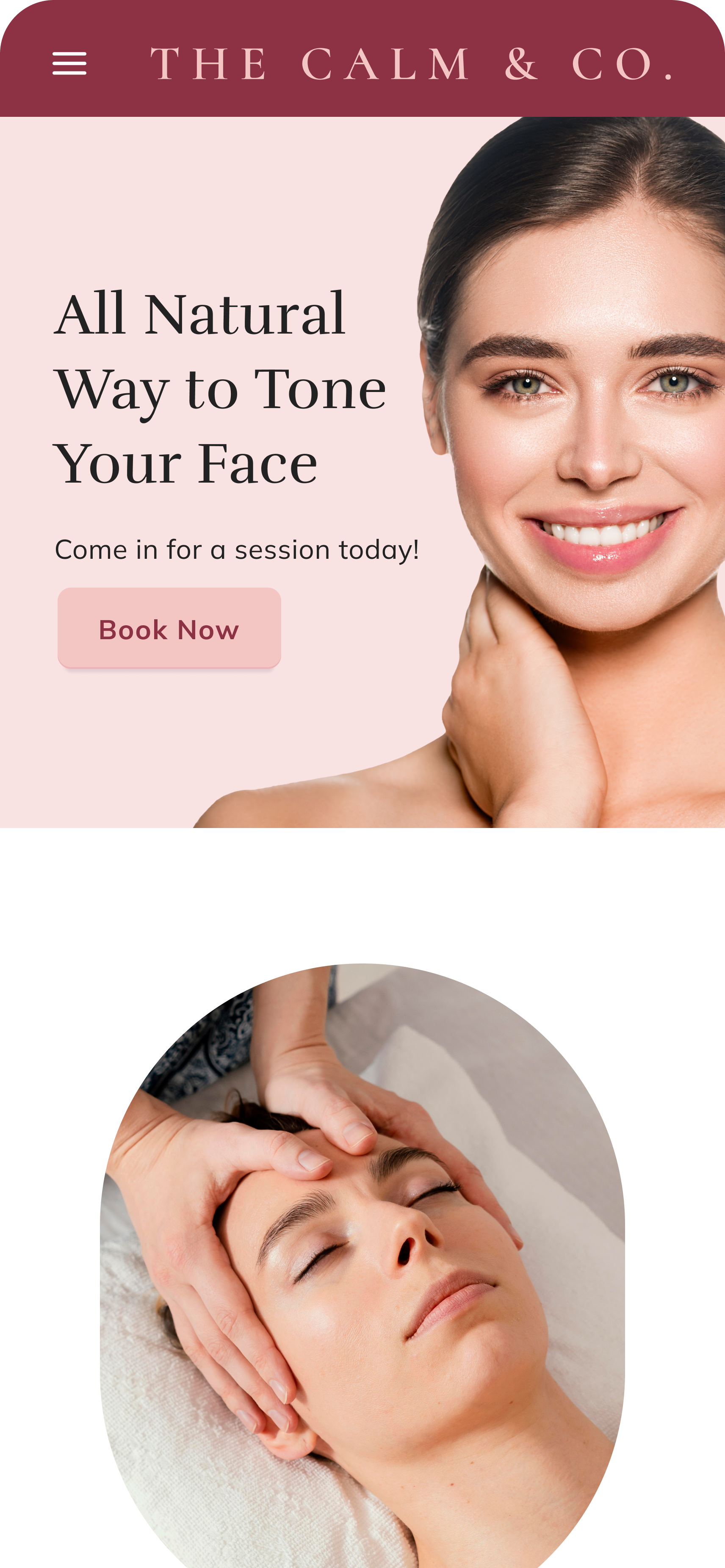
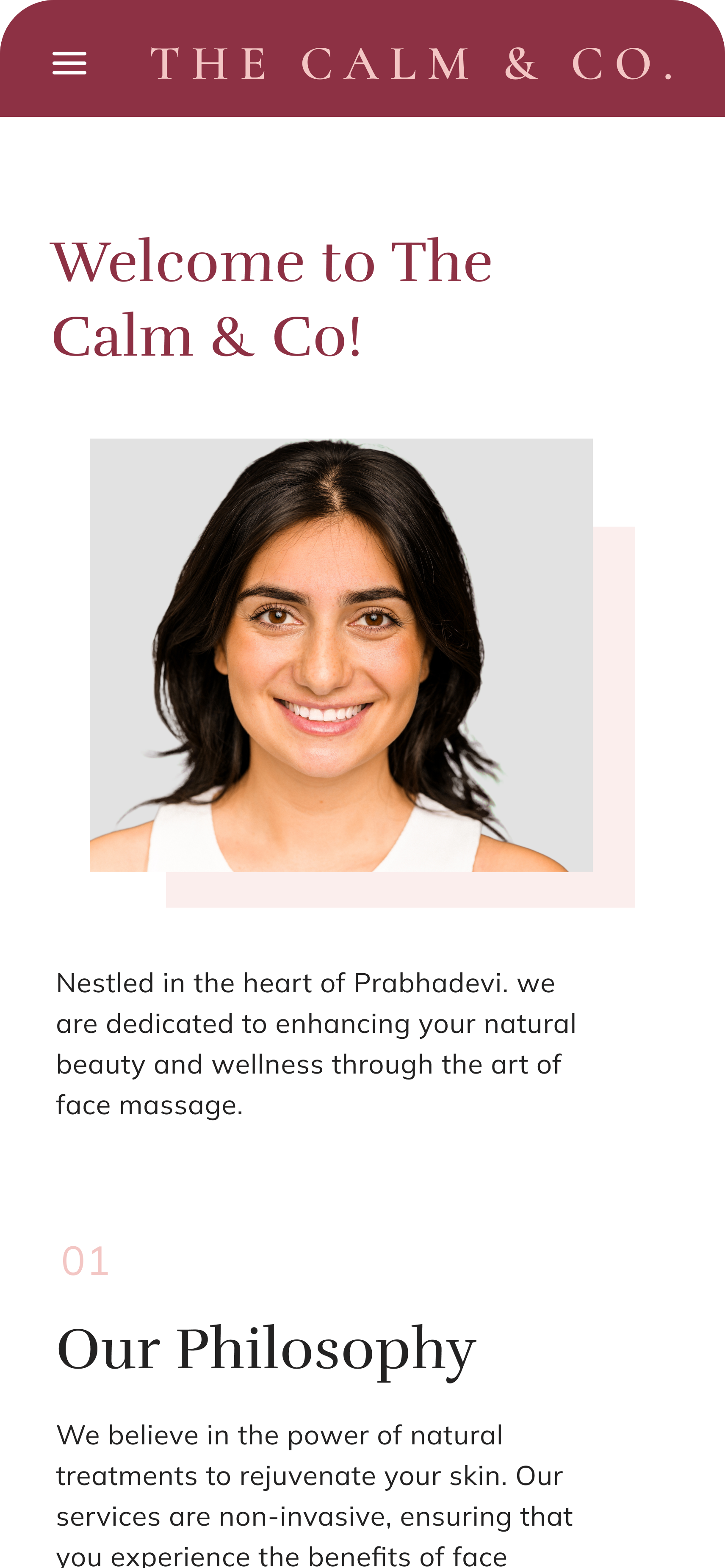
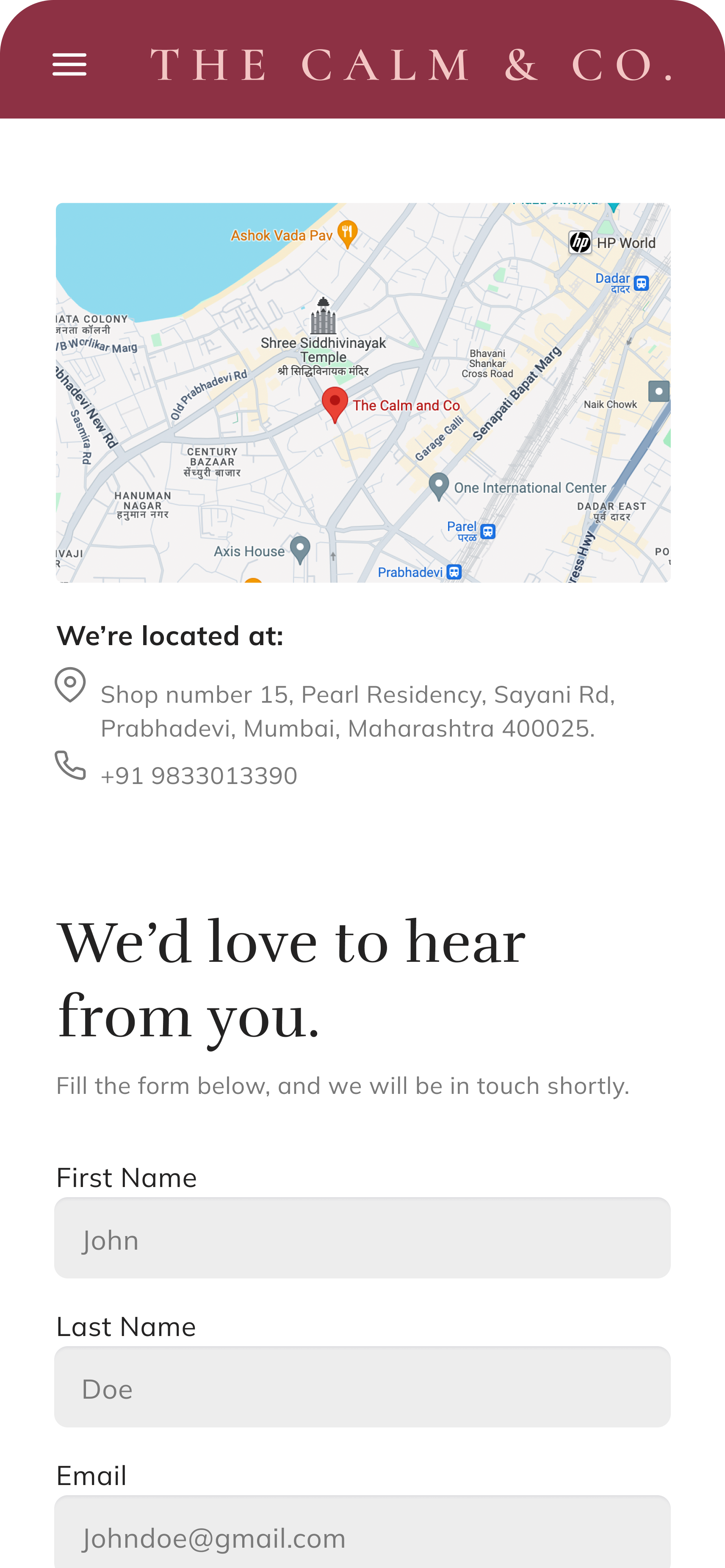
Mockups of the website
Booking system

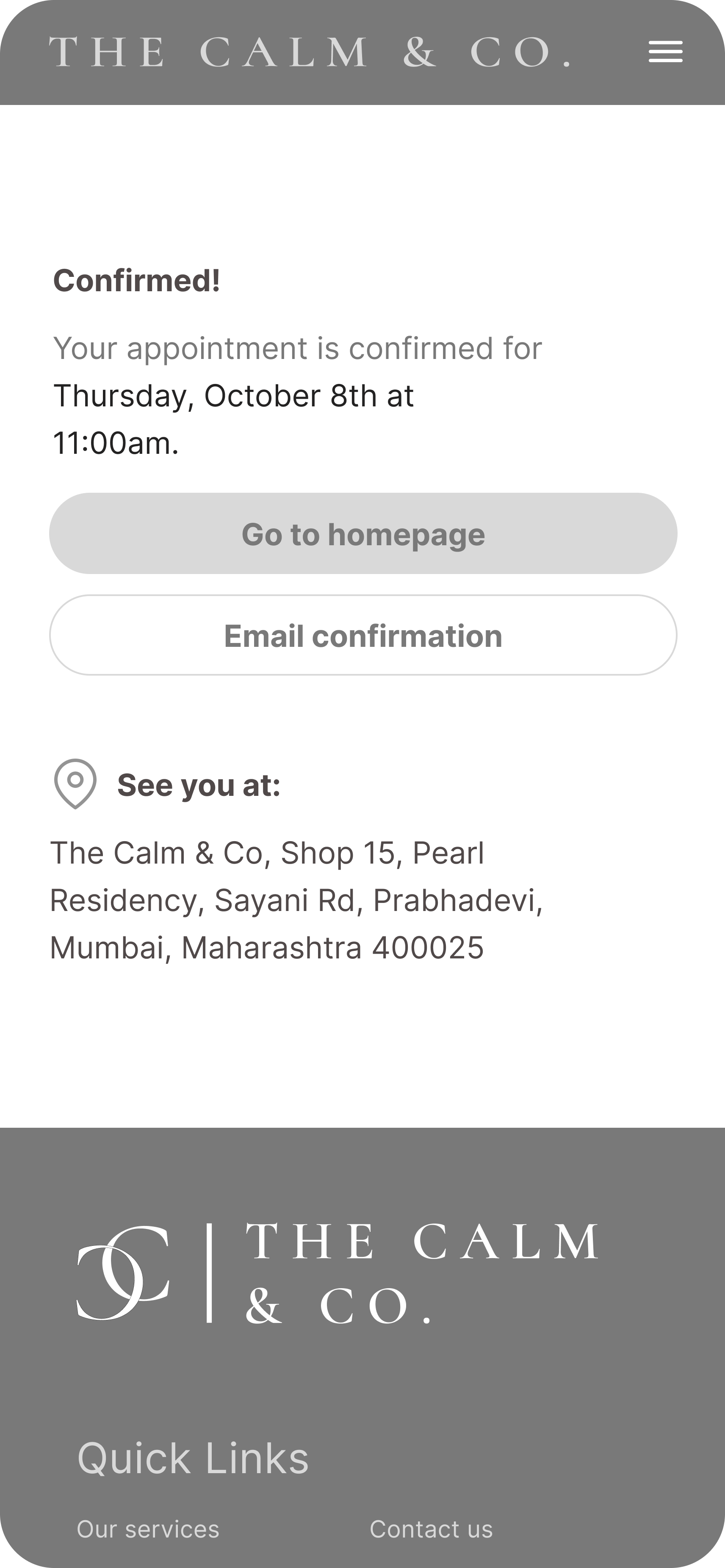
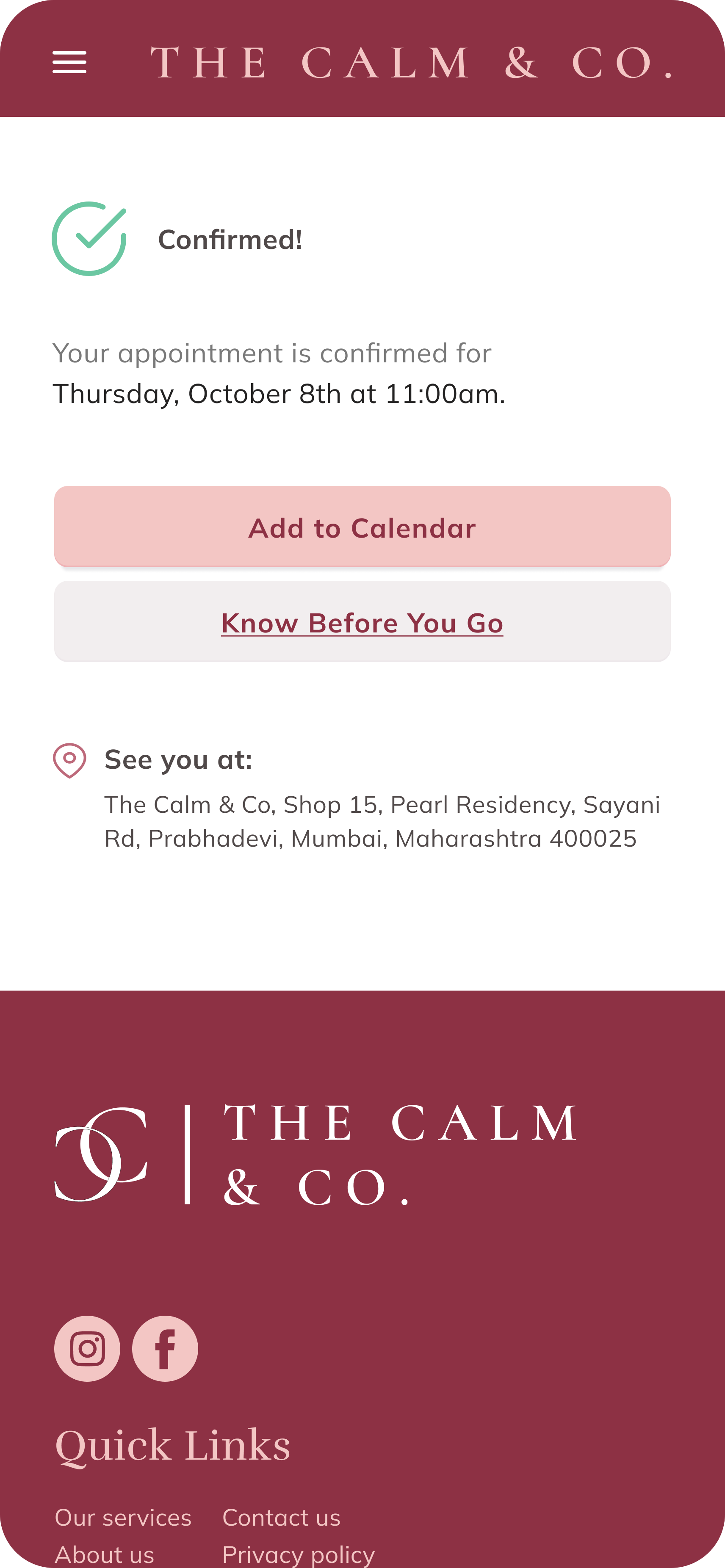
Seamless Online Booking

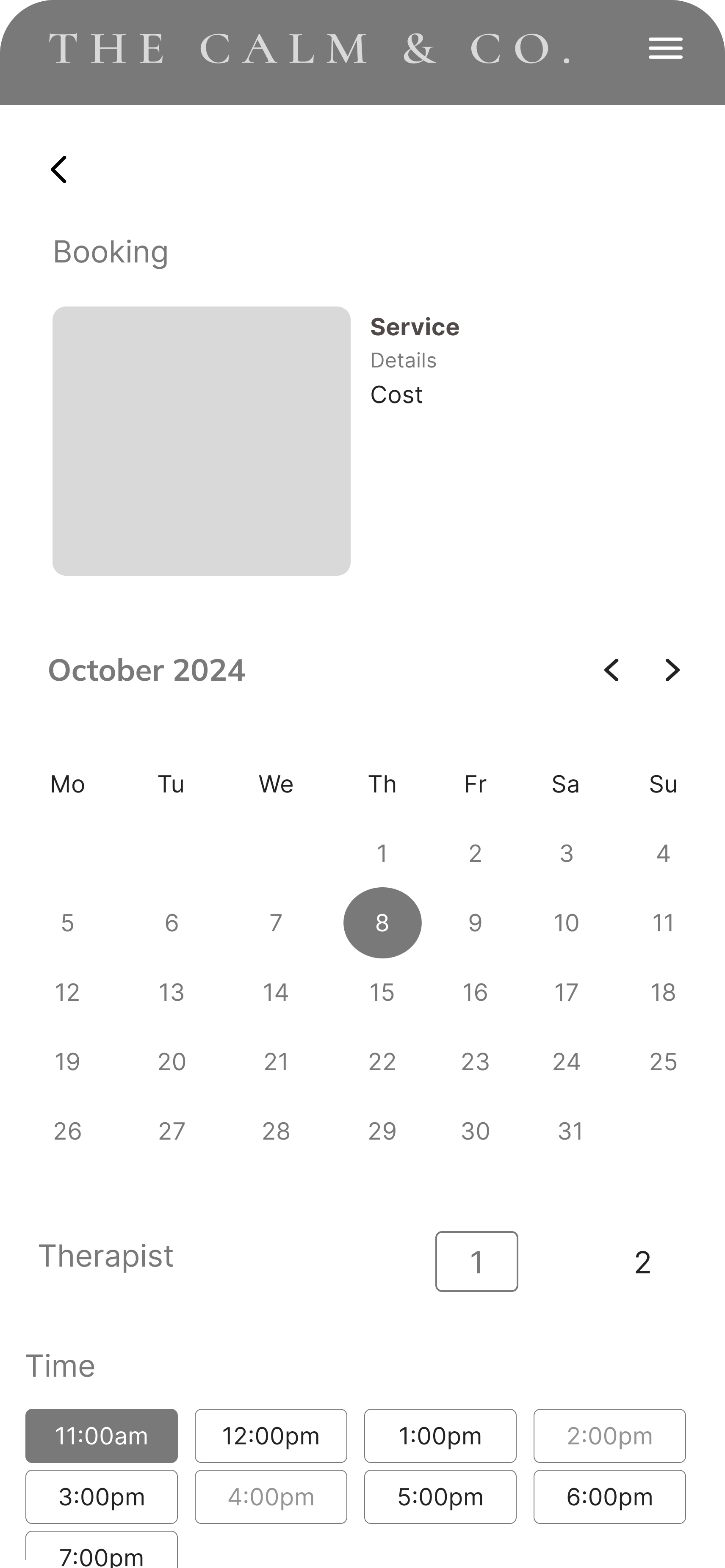
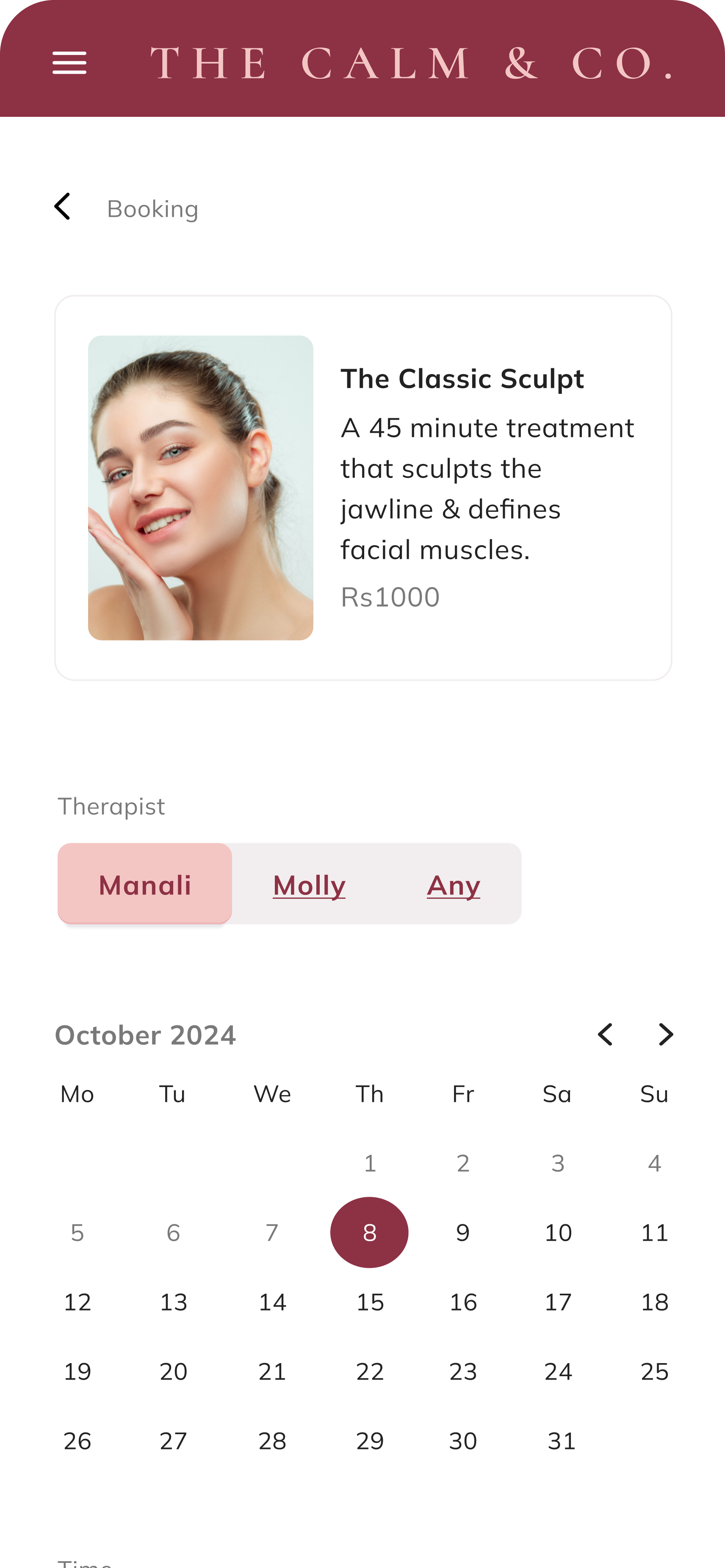
Users can browse services, select a therapist, and book appointments effortlessly. The real-time calendar ensures availability, reducing scheduling conflicts.

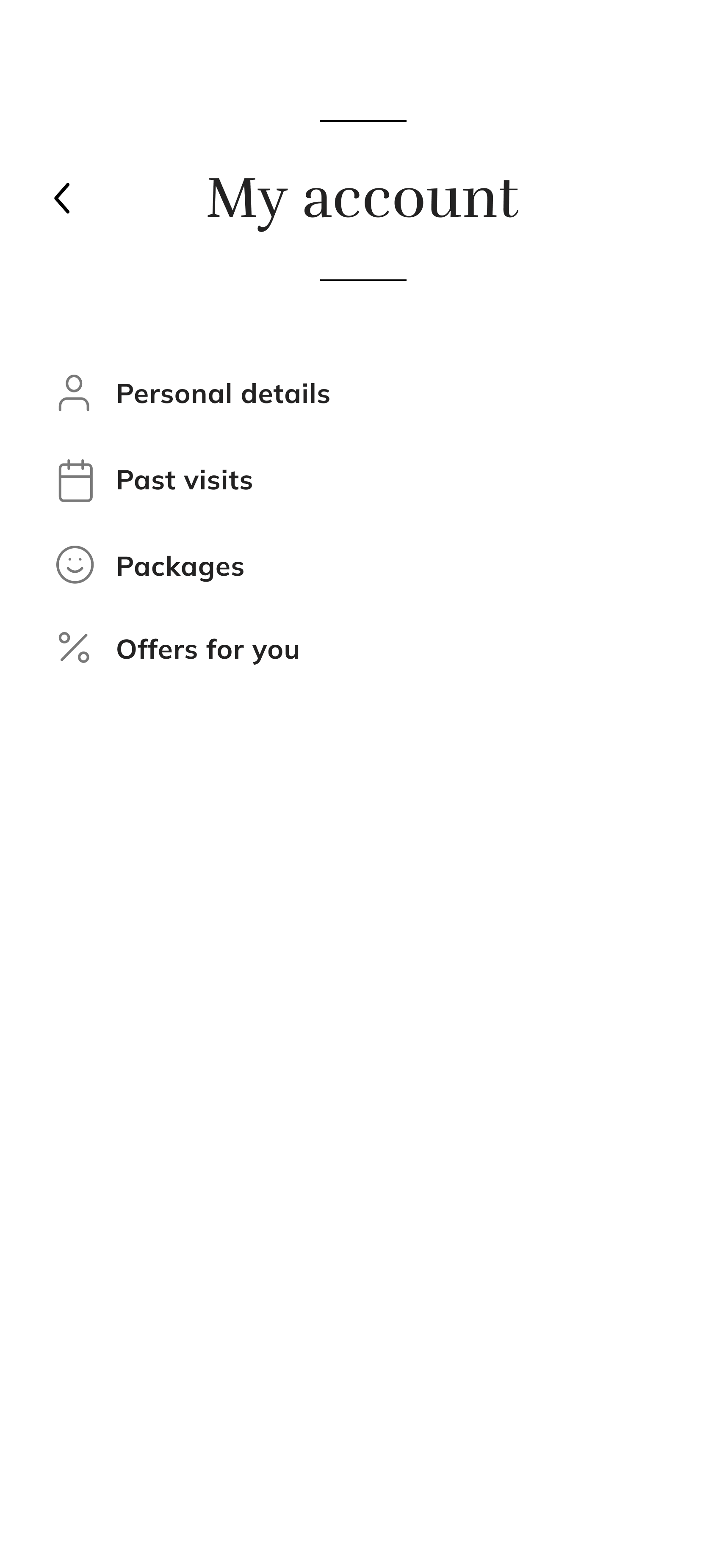
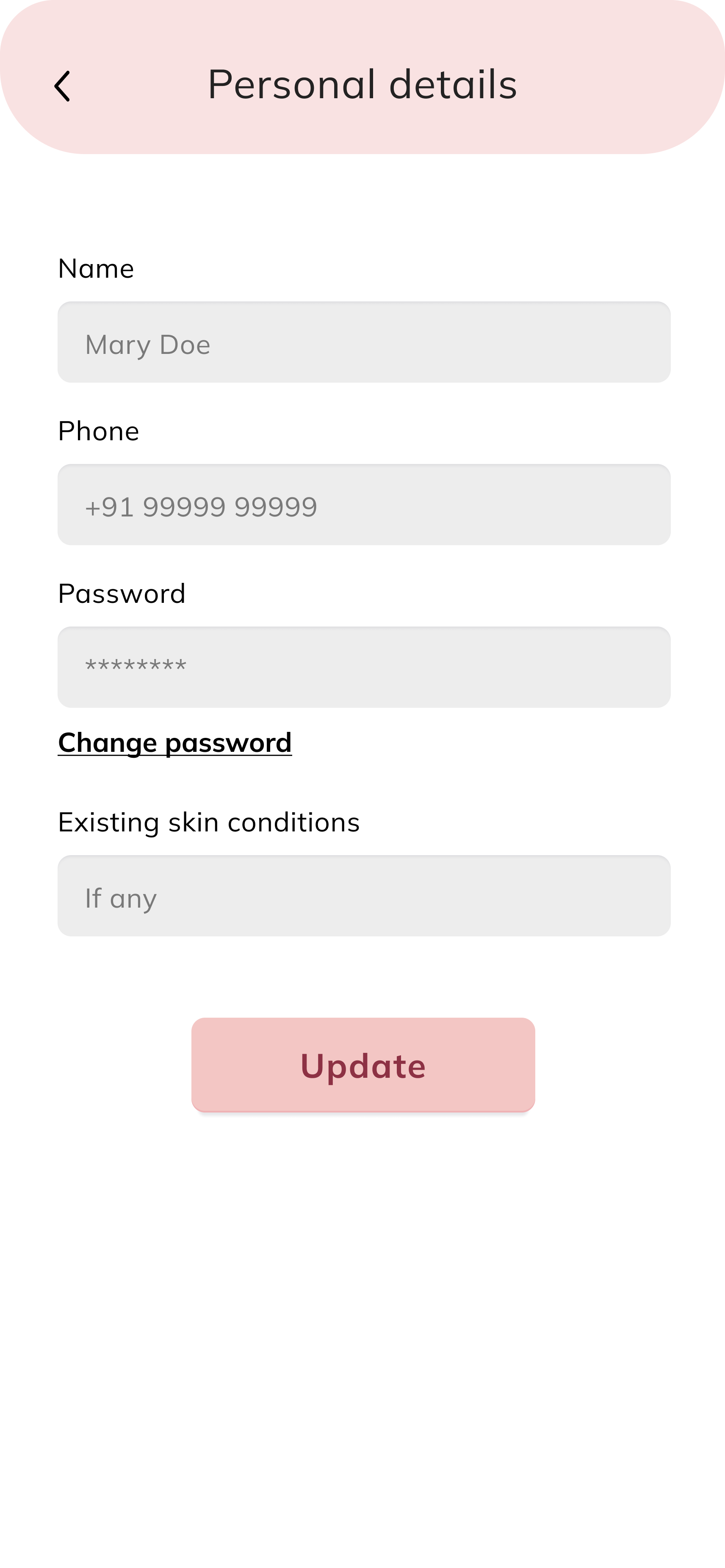
Personalized User Accounts

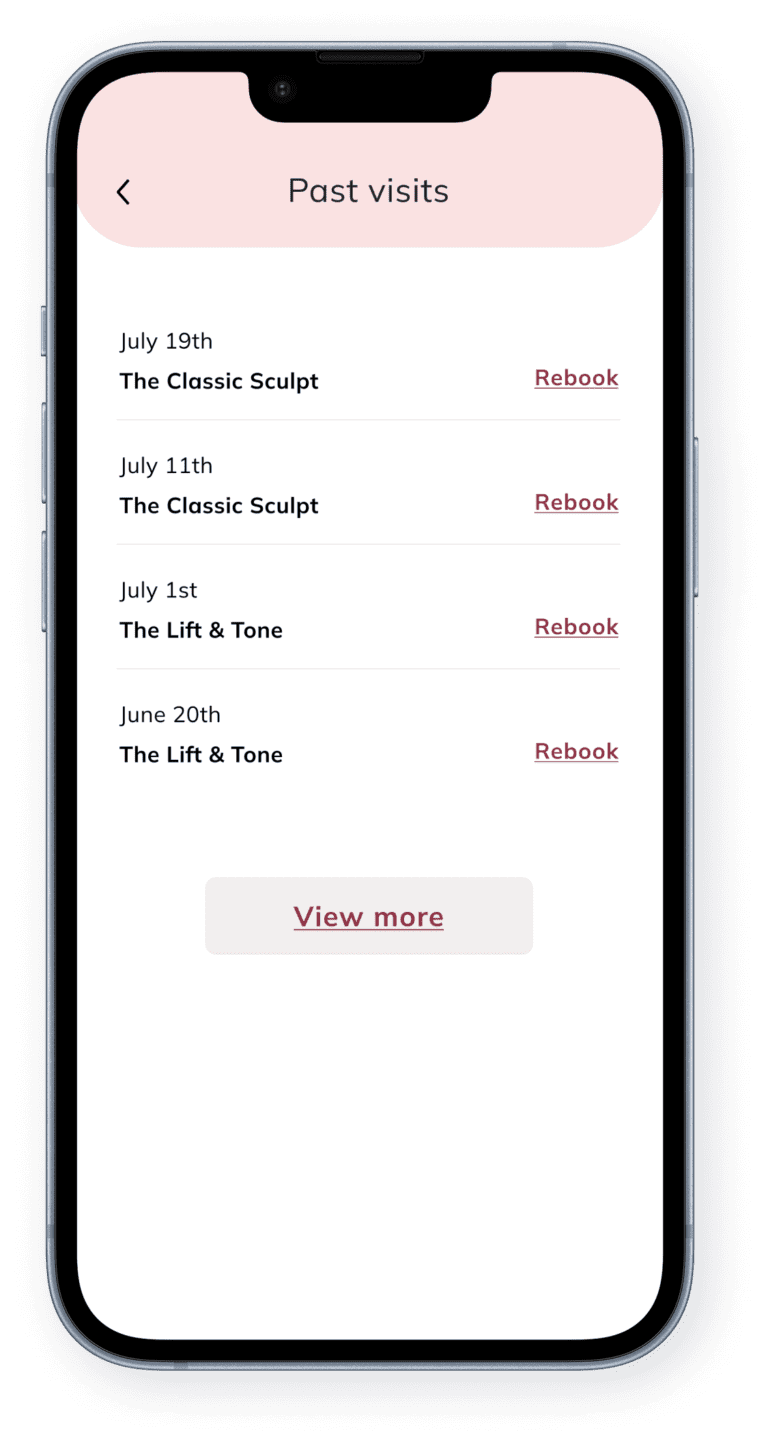
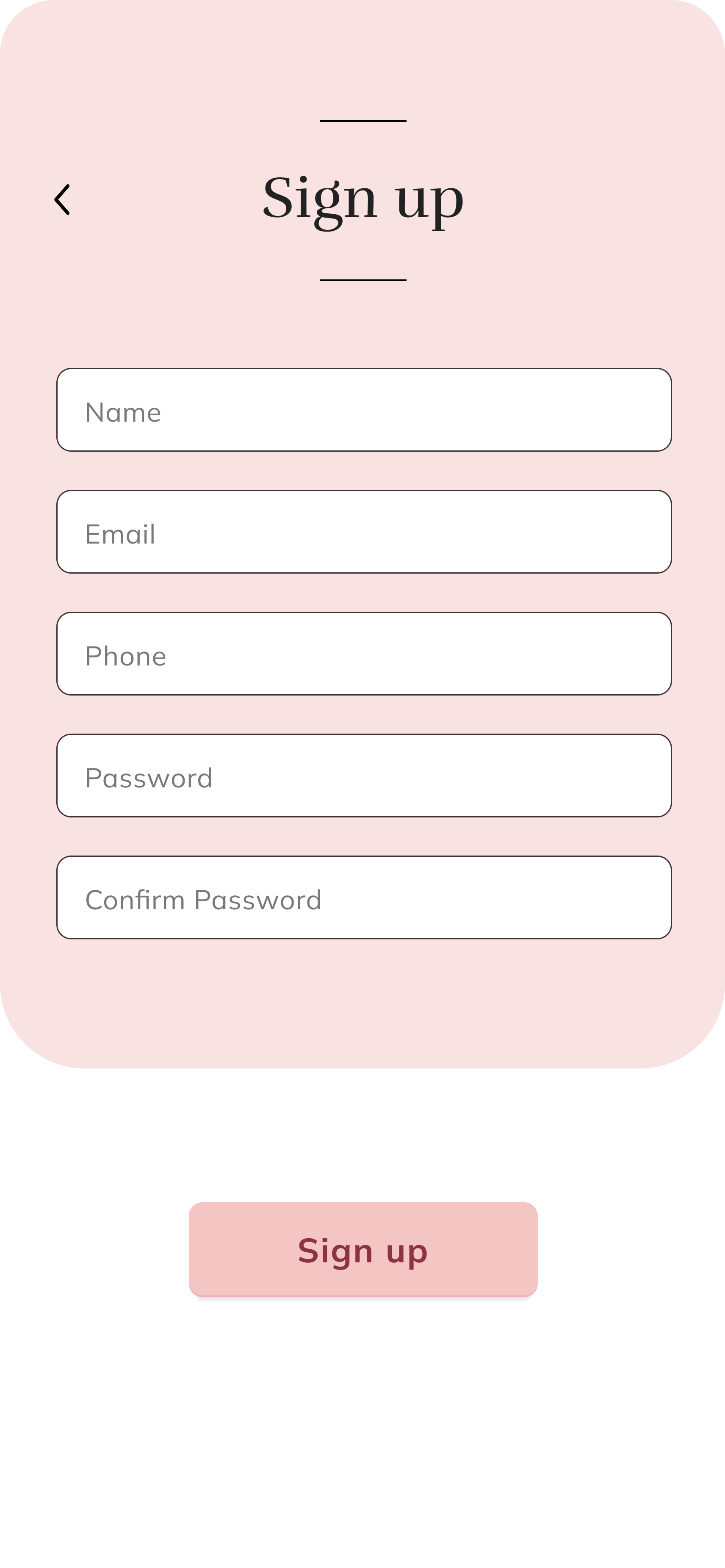
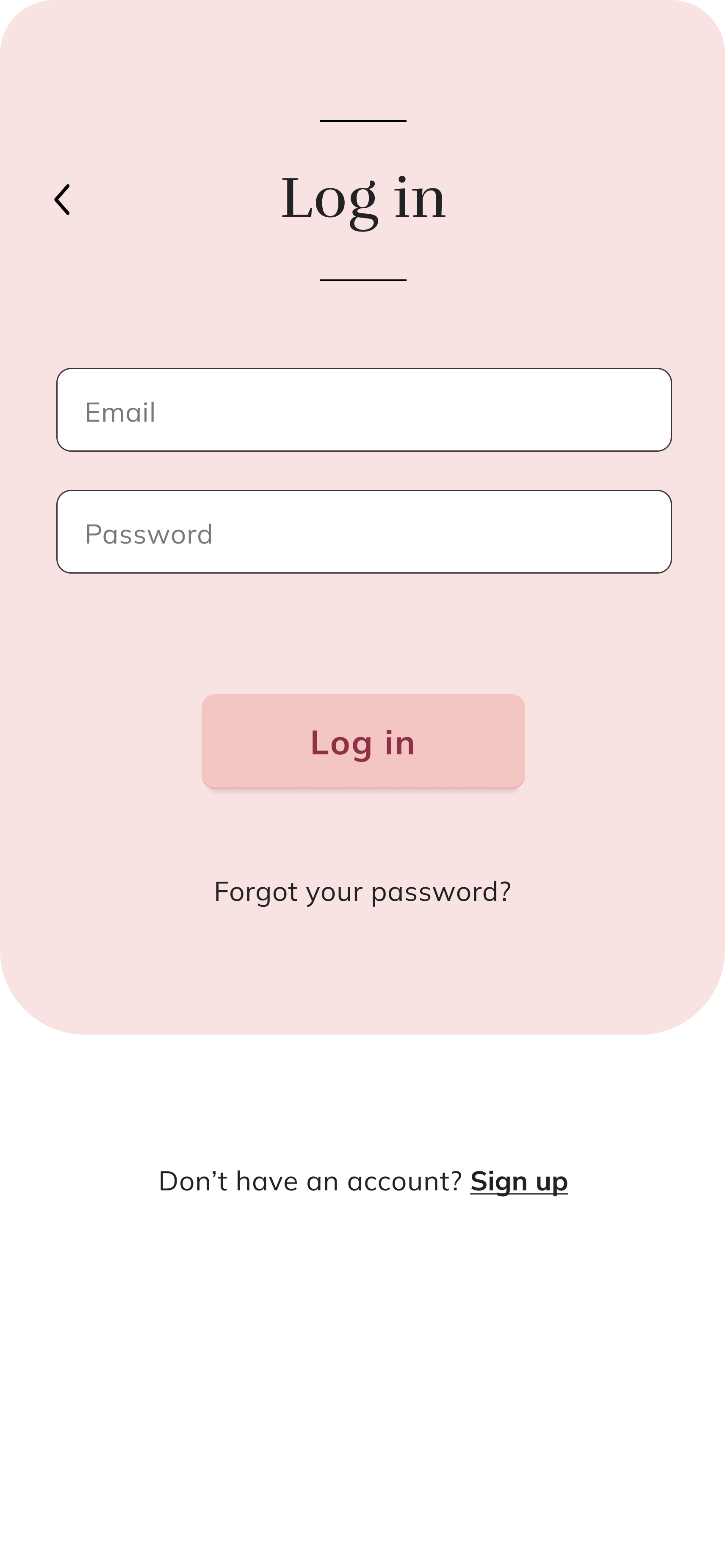
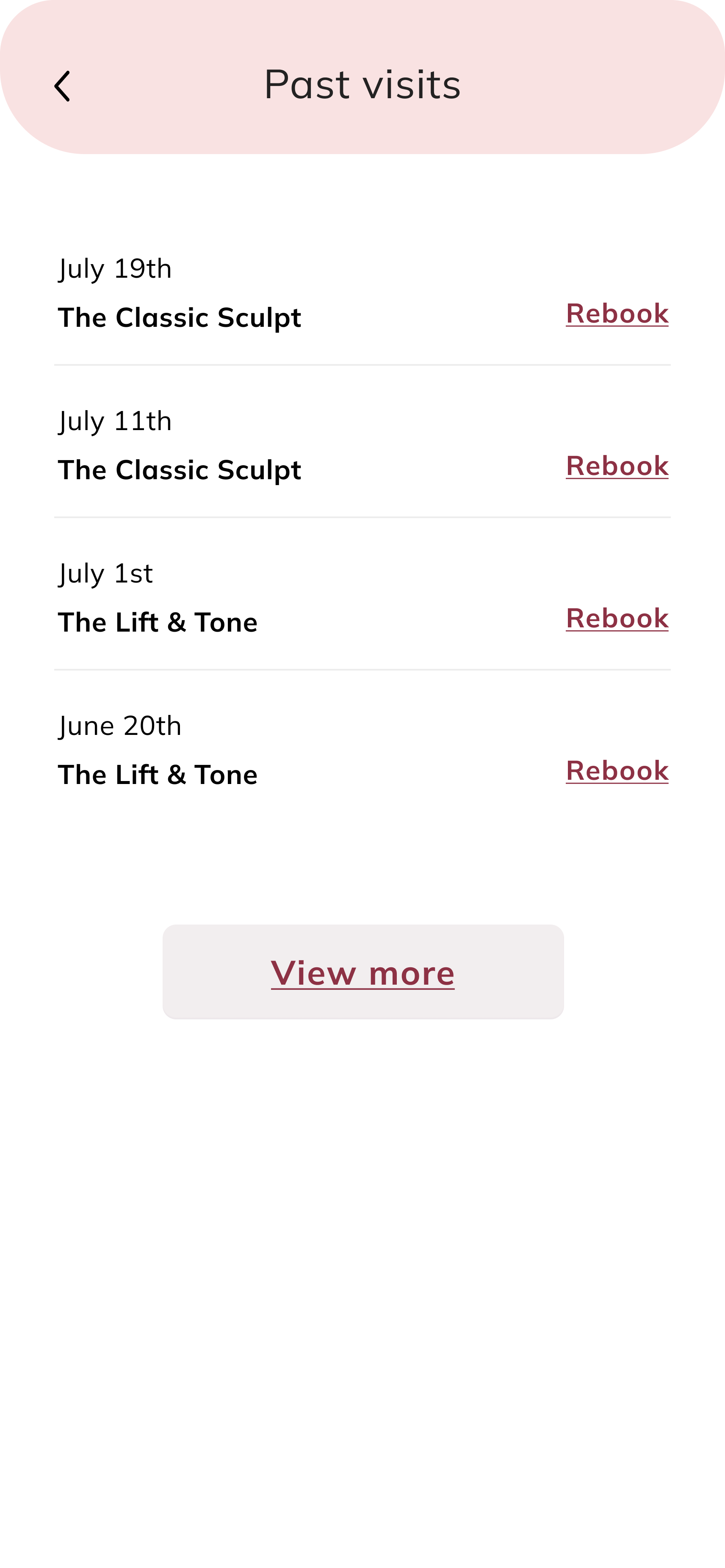
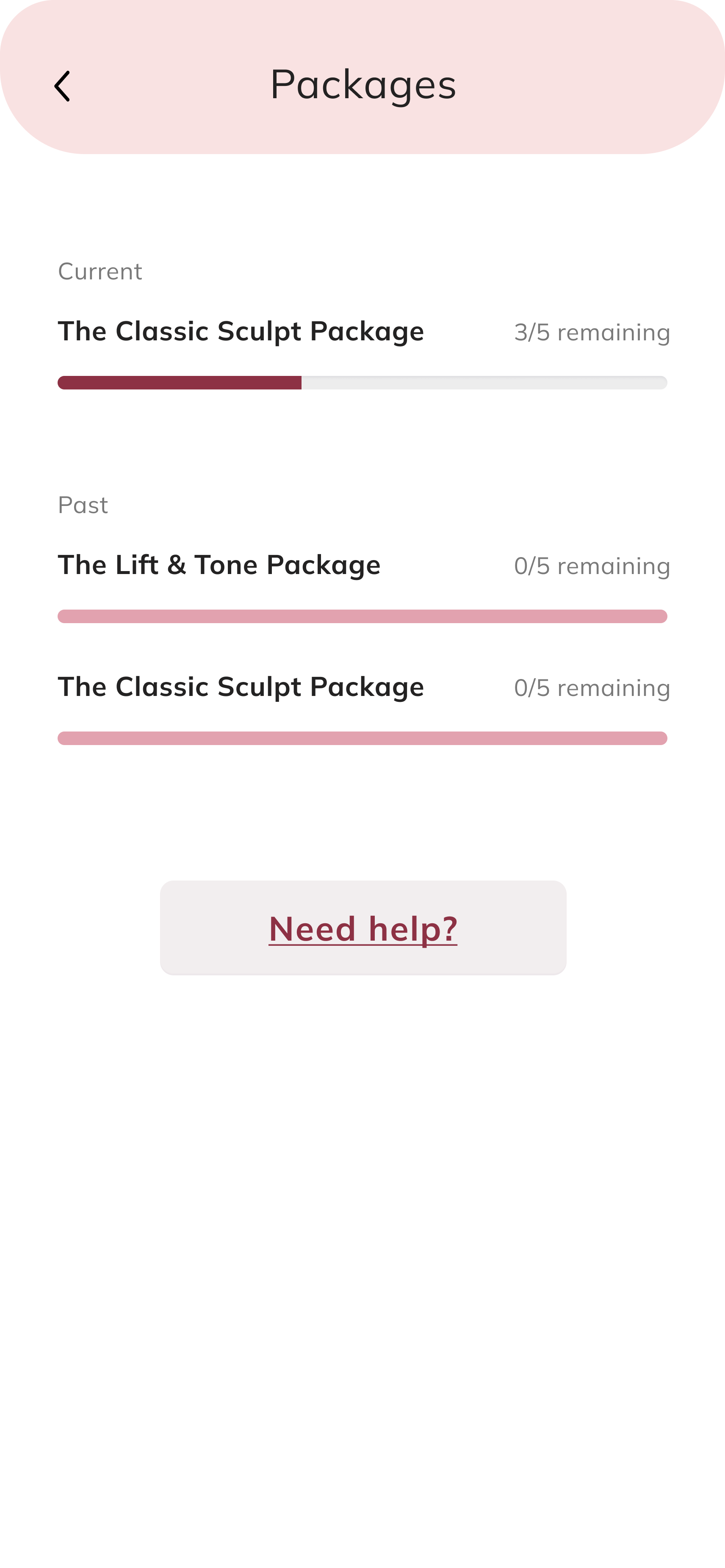
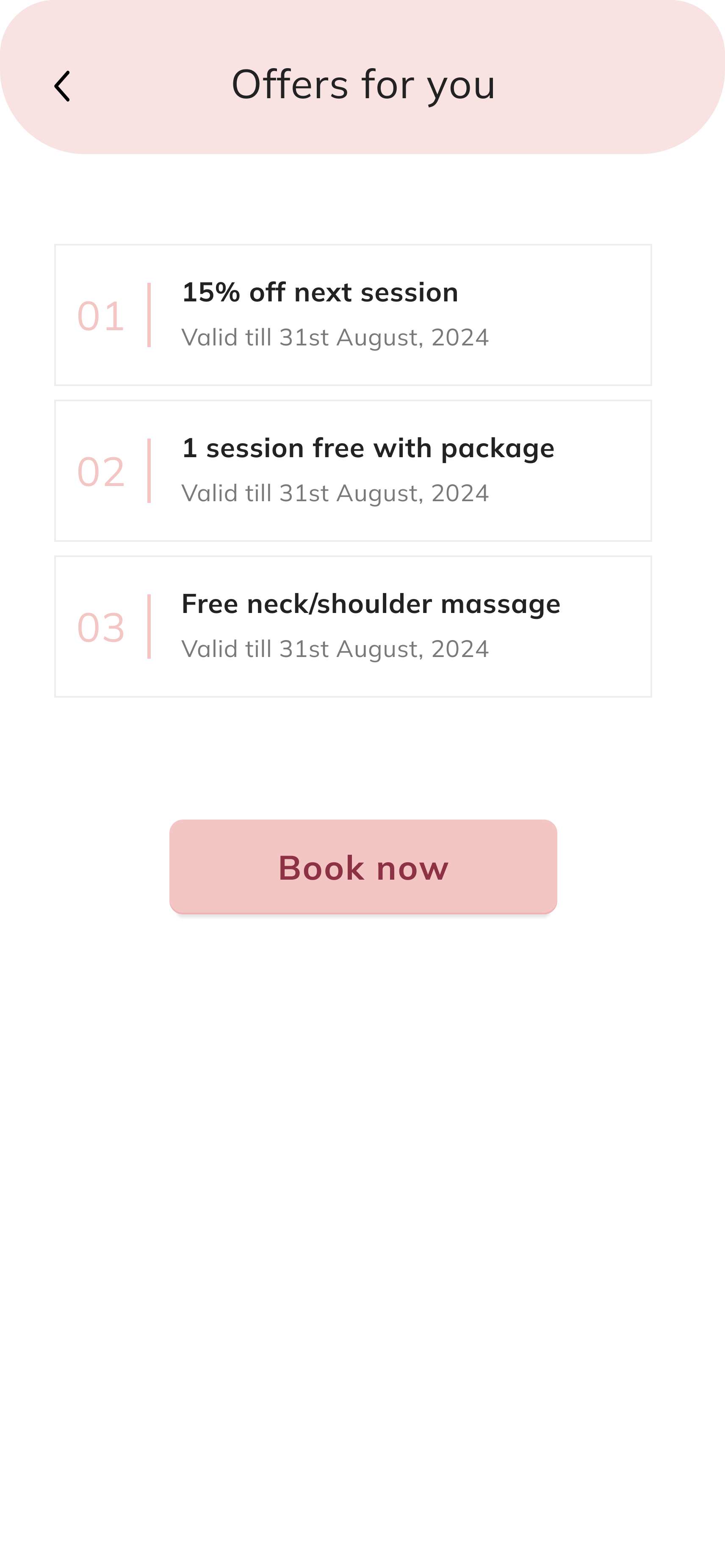
Clients can track past visits, manage appointments, and save details for faster bookings. Tailored promotions and packages enhance retention.

Personalized experience
Trust building experience

Informative & Trust-Building

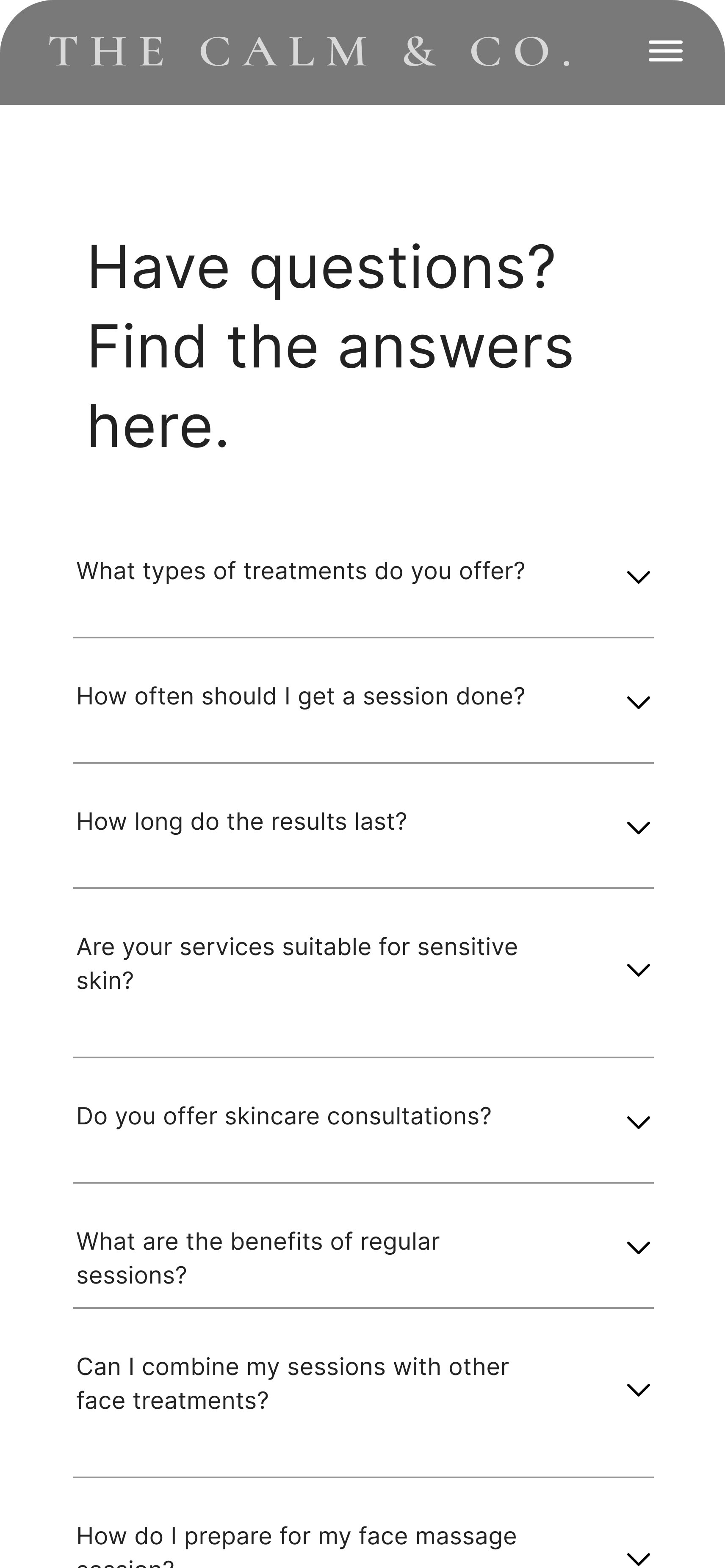
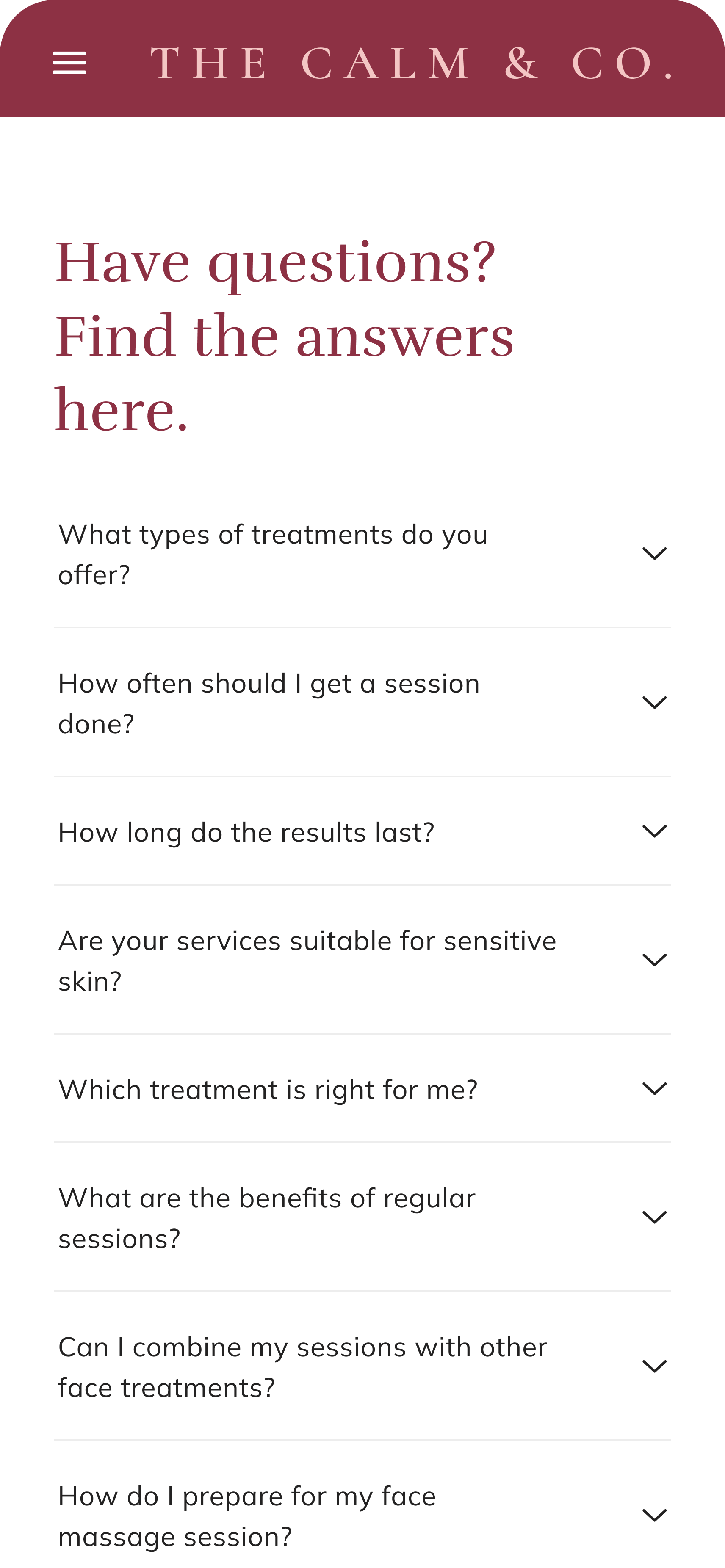
Clear service descriptions, FAQs, and pre-visit details help new users feel confident, building trust and encouraging bookings.

Research Approach

My research combined competitive analysis and user research, providing valuable insights to guide the website’s design. I explored user pain points with booking systems, identifying friction areas and expectations for a seamless experience. Additionally, I studied user psychology and behaviors related to self-care and facial spas, ensuring the website fosters trust, relaxation, and ease of use while aligning with industry best practices.

Research Goals

To understand how users discover and choose wellness services online, build trust with new brands, and engage before and after treatment. Compare competitors to identify best practices, loyalty strategies, and areas for improvement.

Research Findings

80%

of the participants hesitate to book a service online if they don’t see customer reviews or testimonials.

65%

of the participants expressed uncertainty about the brand’s credibility.

85%

of the participants showed a strong preference for loyalty programs when booking services at their regular wellness centers.

75%

of the participants prefer a quick and guided booking flow rather than complex forms.

50%

of the participants expect a “Book Again” feature for repeat bookings to save time.

Shaping the design system

I explored the psychology behind why users seek non-invasive facial treatments, uncovering themes like stress relief, confidence, appearance, and holistic wellness. These insights shaped the design system and brand language to feel calming, reassuring, and aligned with users’ self-care motivations.

Mockups of the website

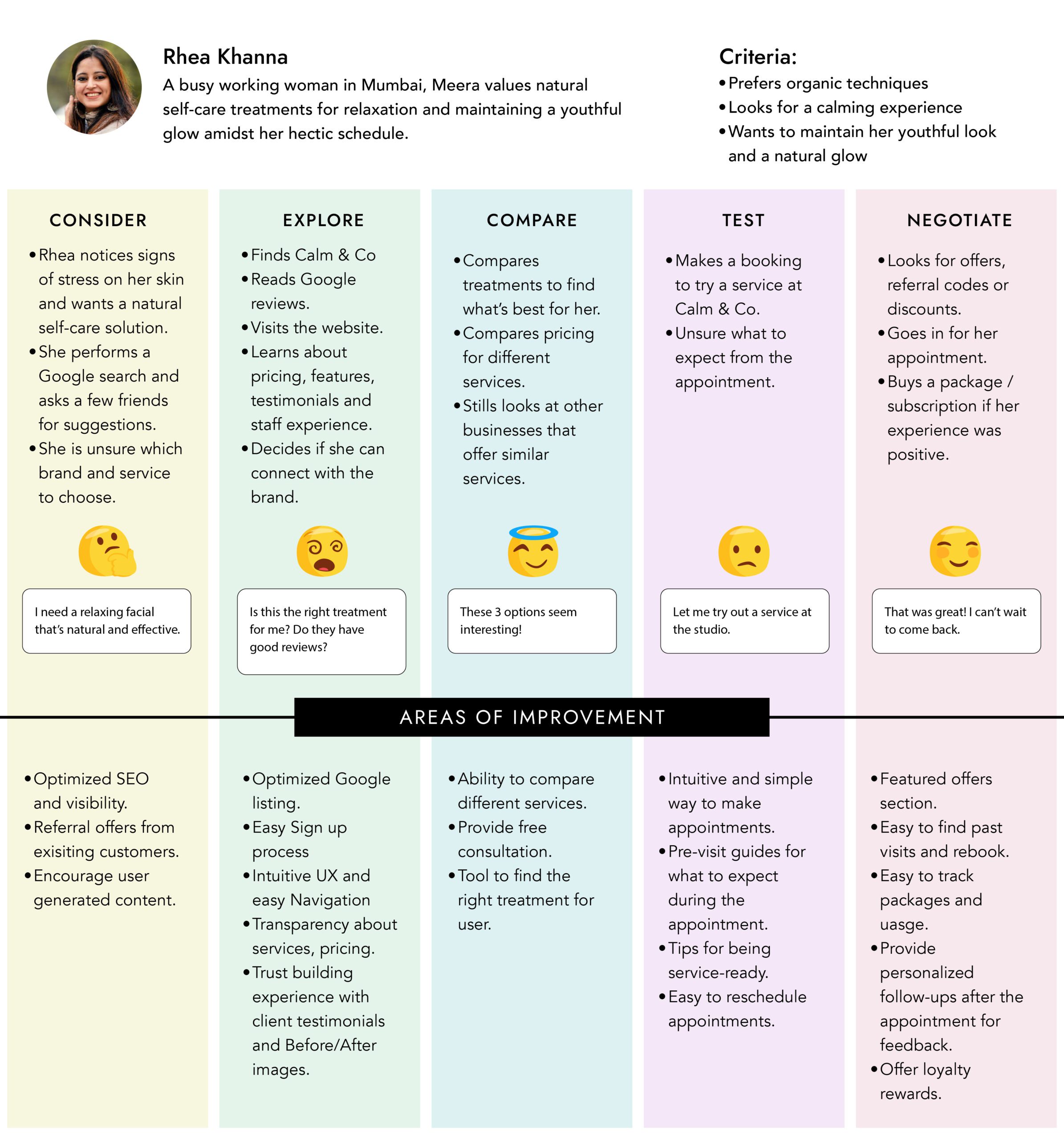
User Journey Map

I created a user journey map to understand user pain points and areas of improvement.

User journey map
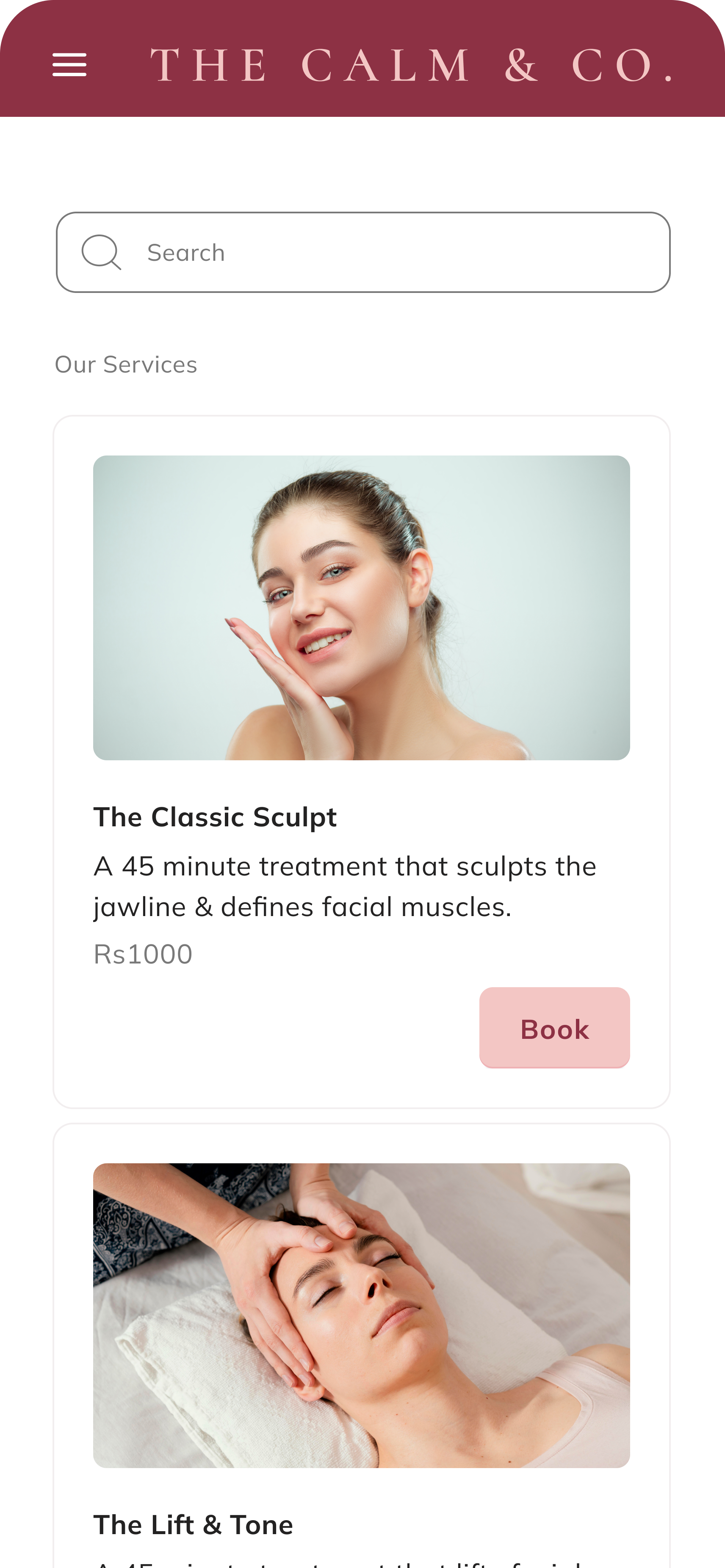
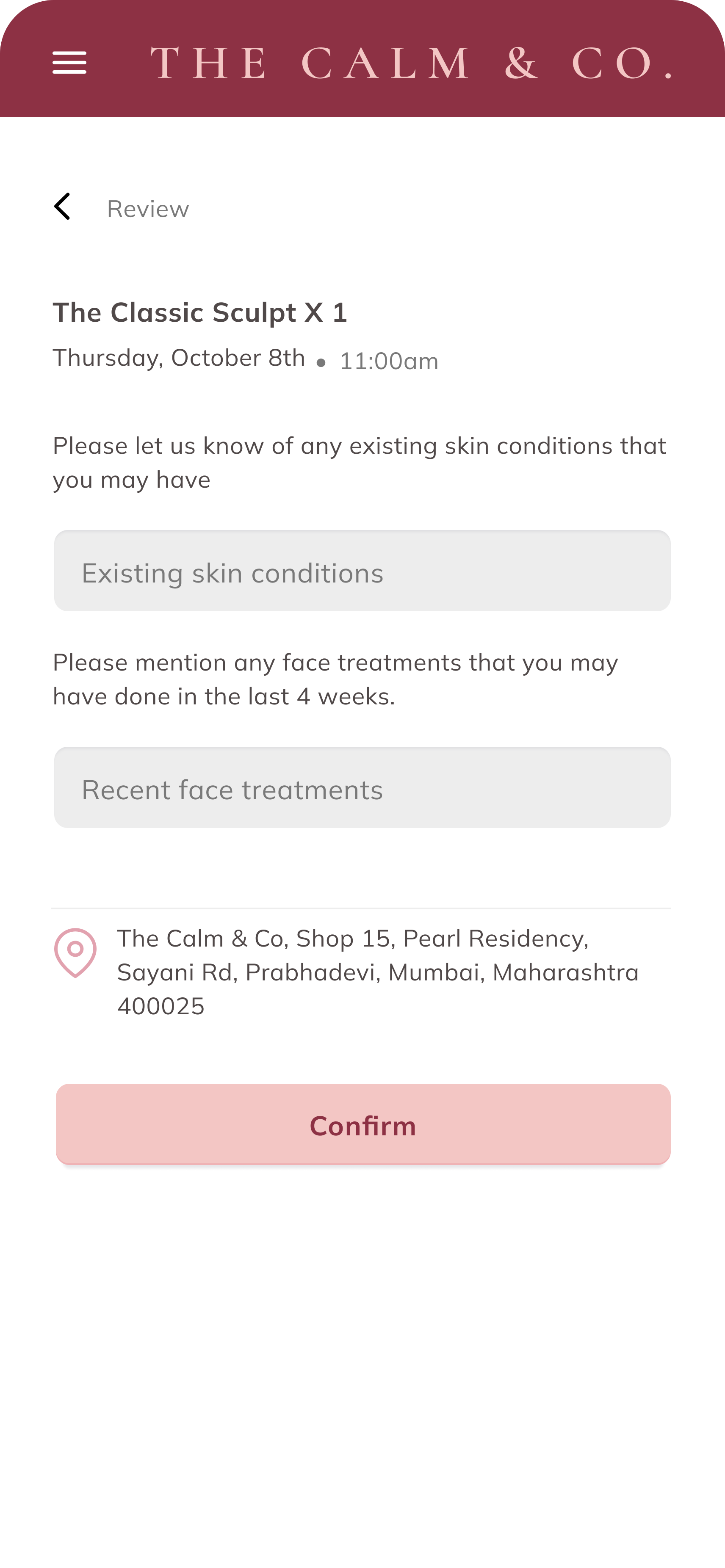
Mockup of the booking page

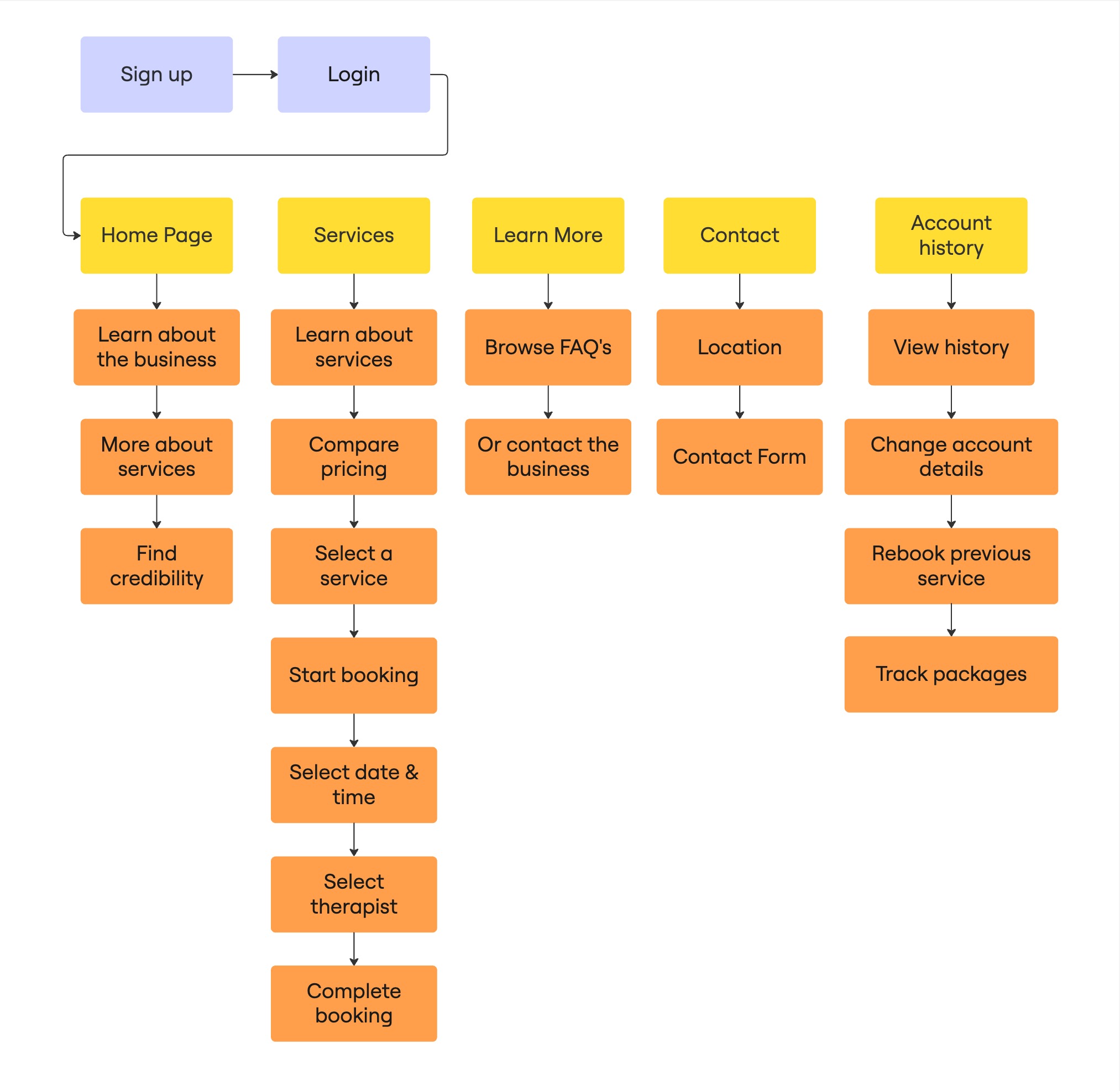
I created this user flow to map out the key touchpoints and decision paths users take when exploring the website and booking a service. It helped ensure the experience is intuitive, goal-driven, and aligned with both user needs and business priorities.

User flow

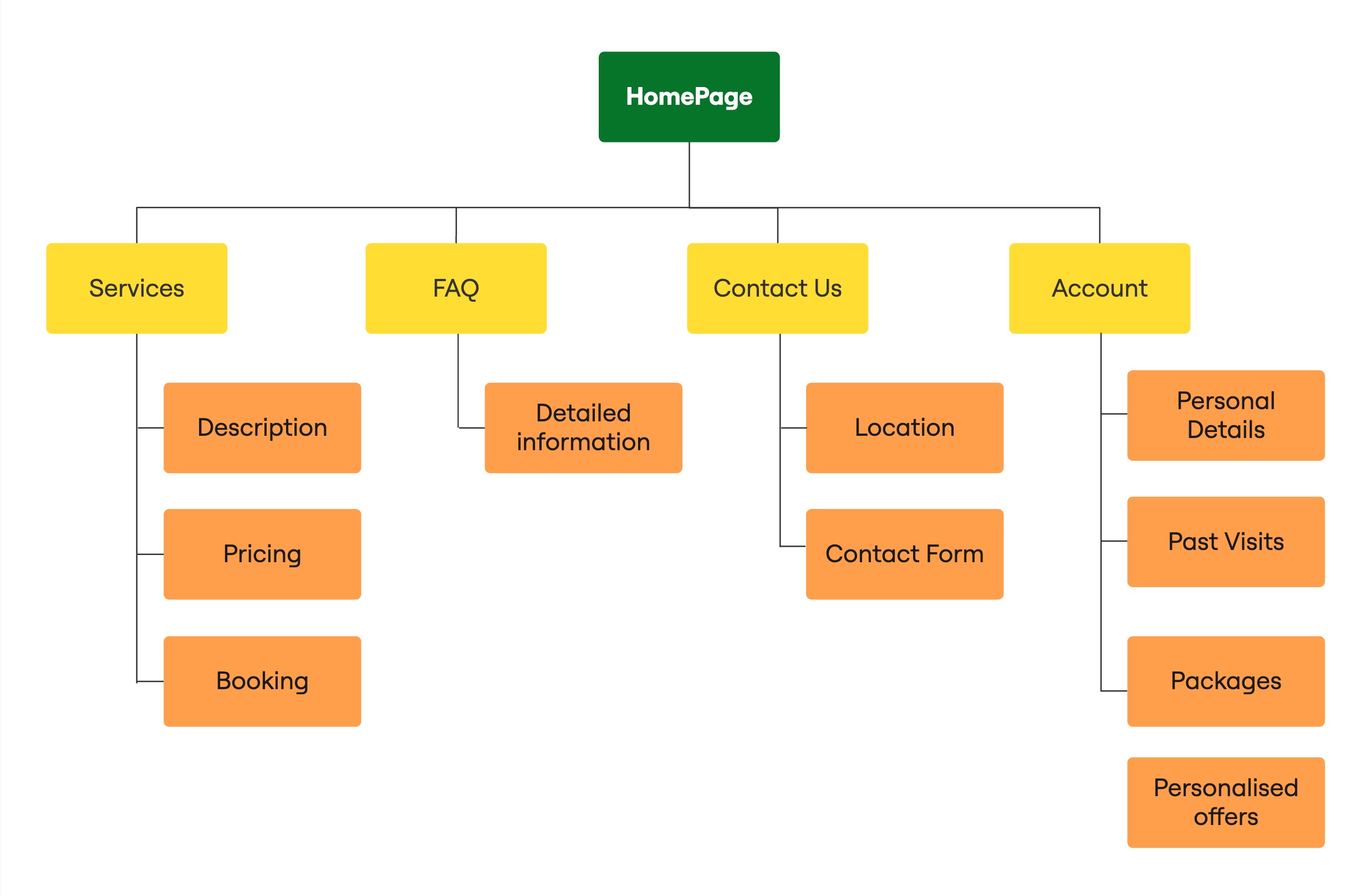
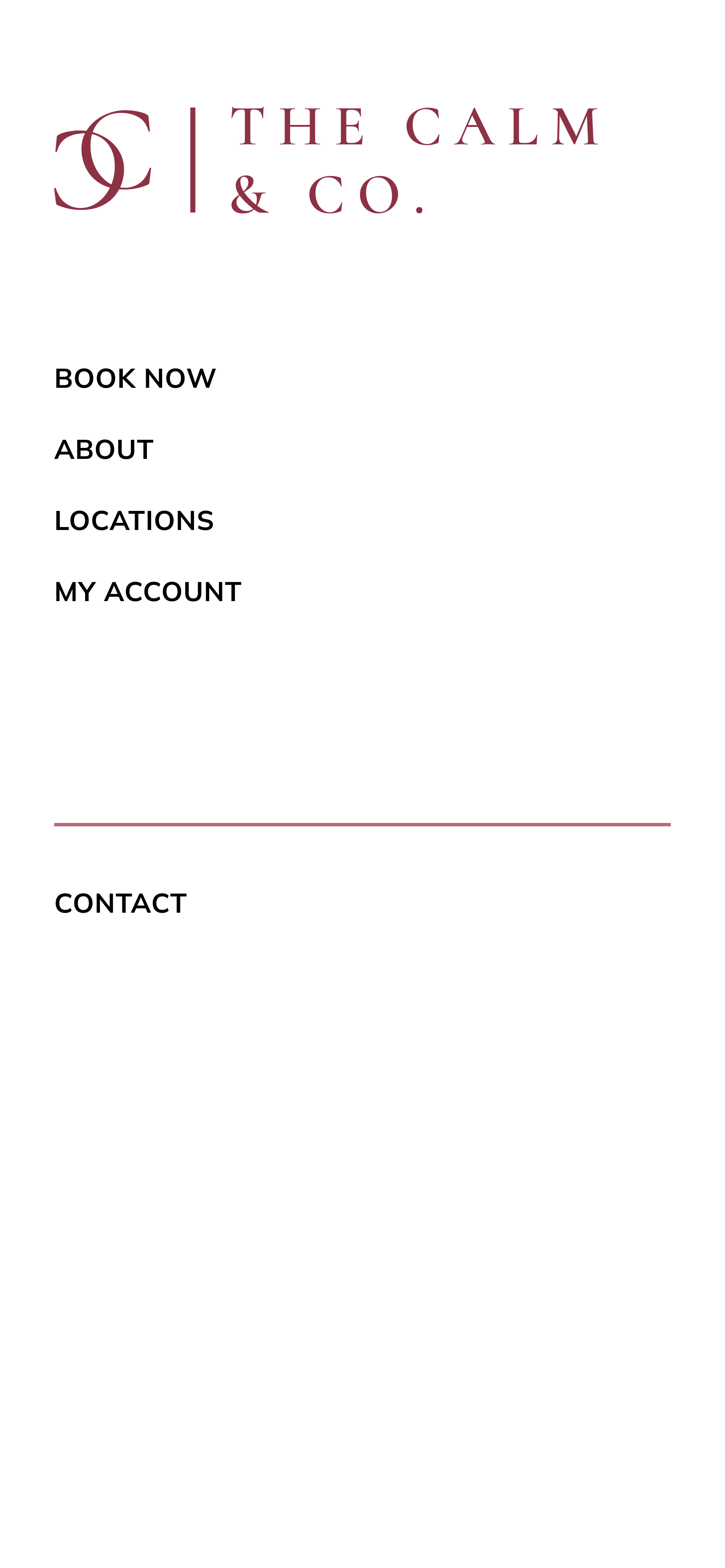
I created this site map to organize the website’s content structure and ensure easy navigation for users. It helped define a clear hierarchy that supports both discovery and task completion, like booking or managing appointments.

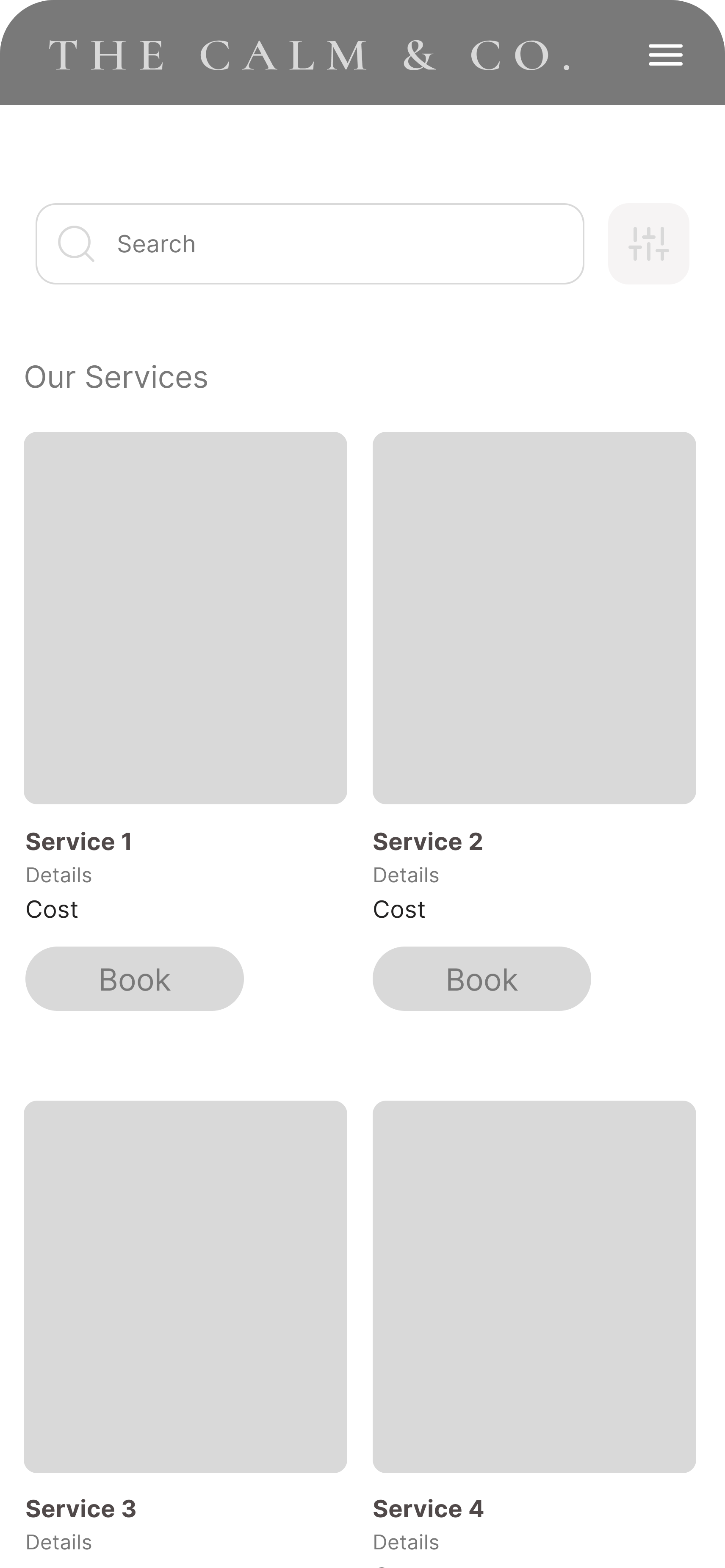
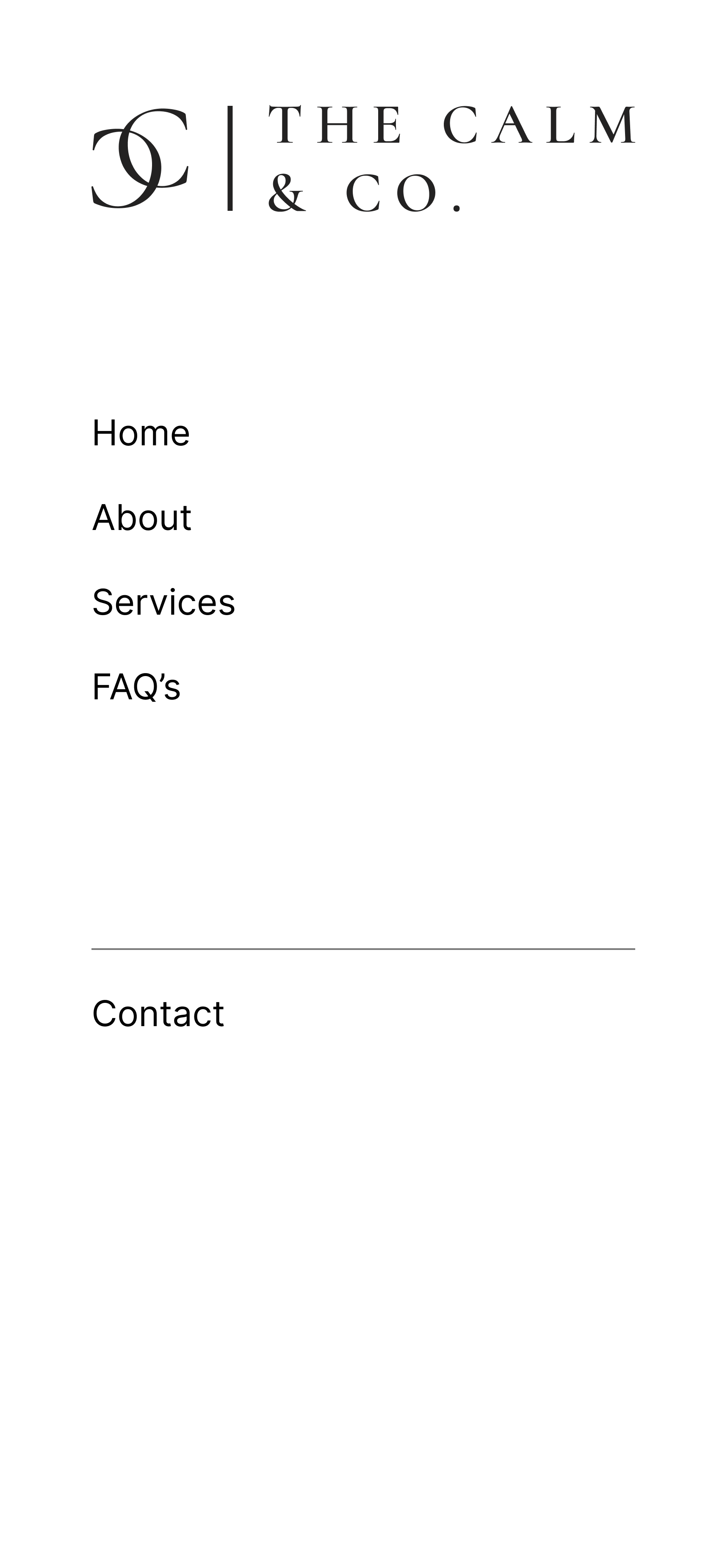
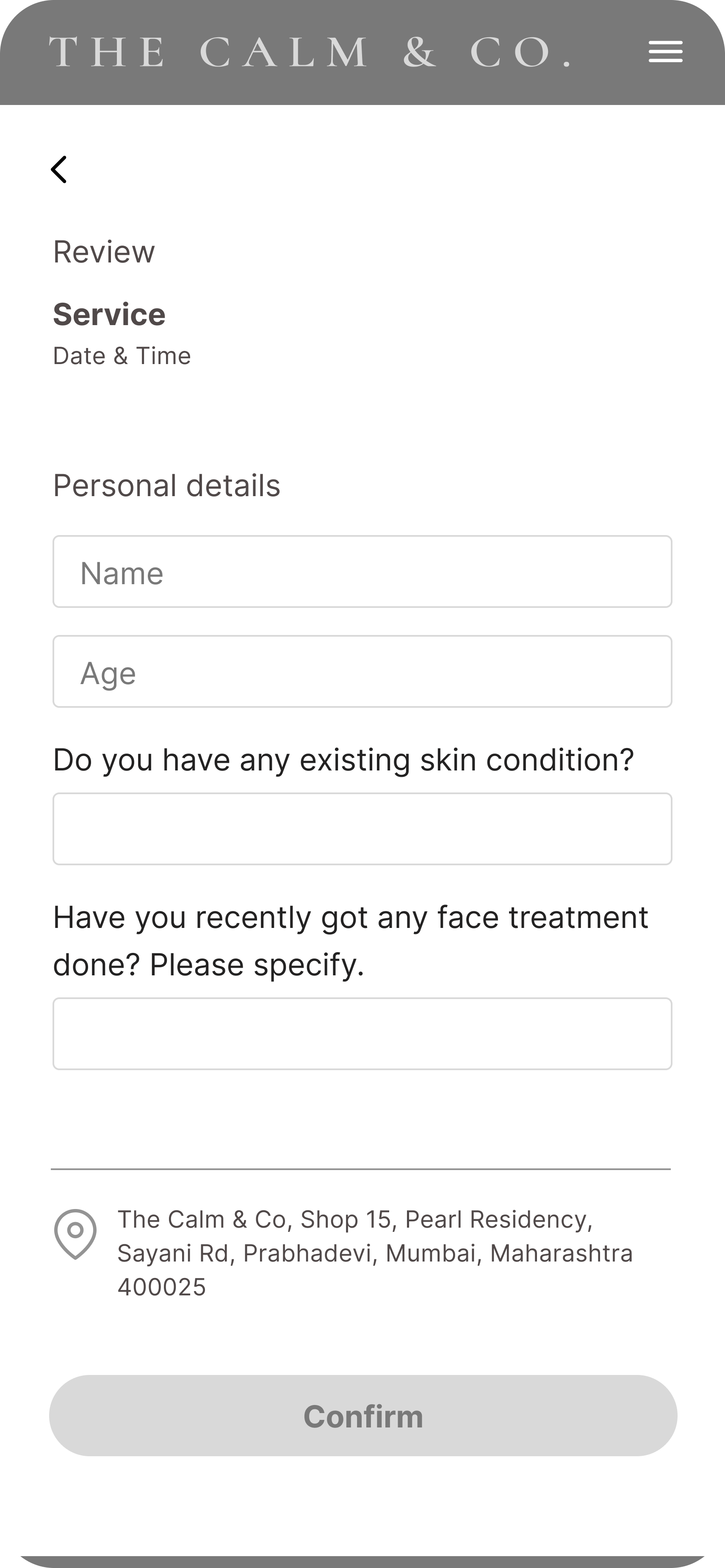
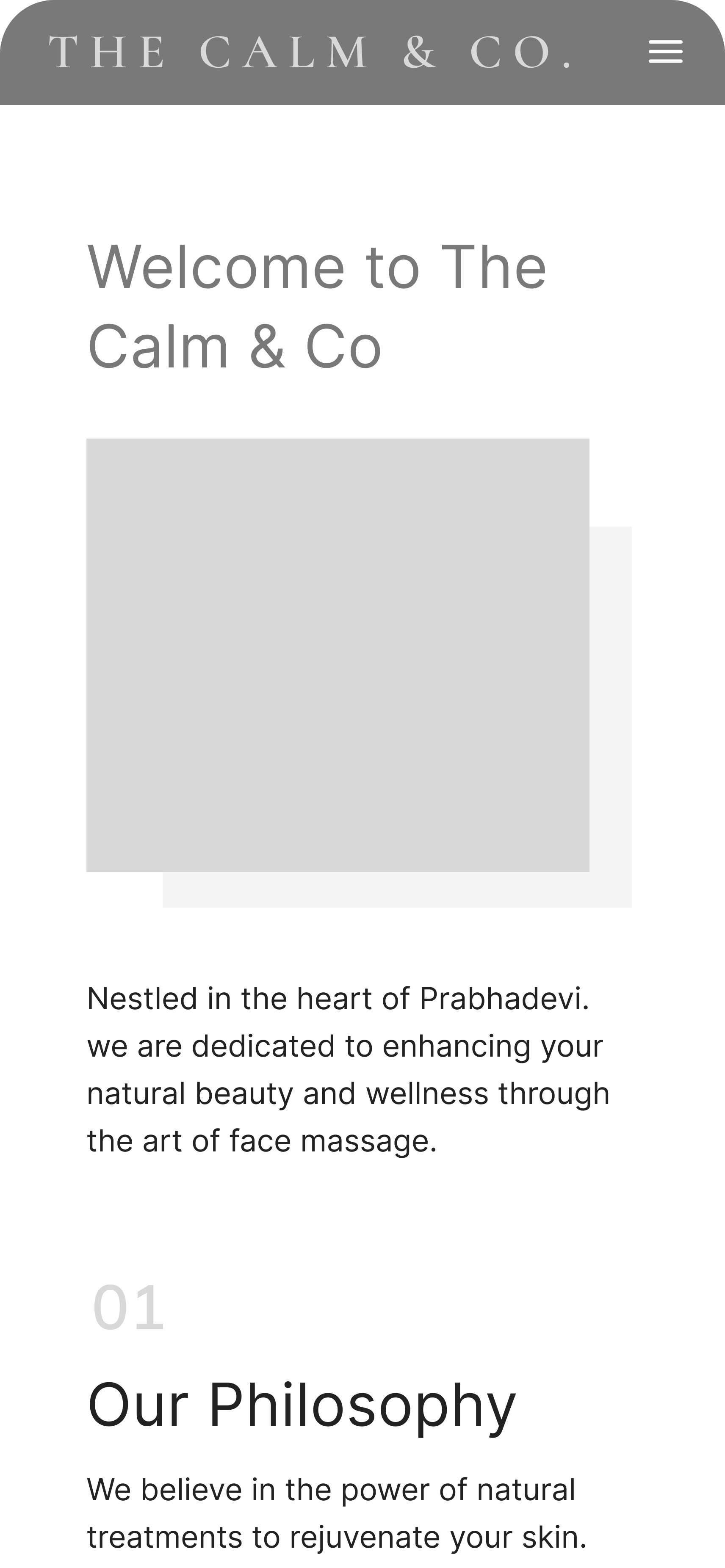
I created wireframes to visualize the layout, structure, and key interactions before moving into high-fidelity design. This helped me focus on usability, user flow, and content hierarchy.
Design System

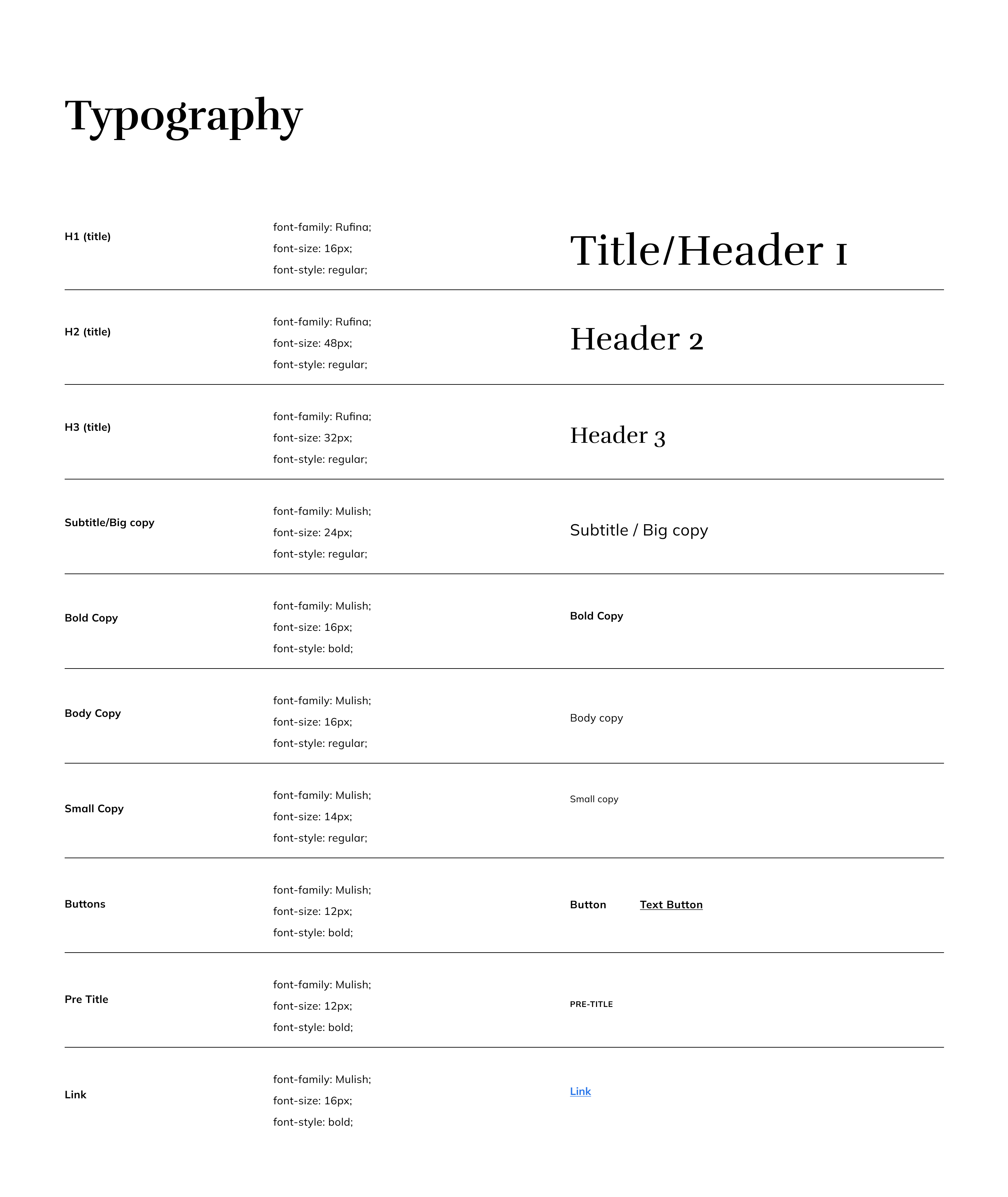
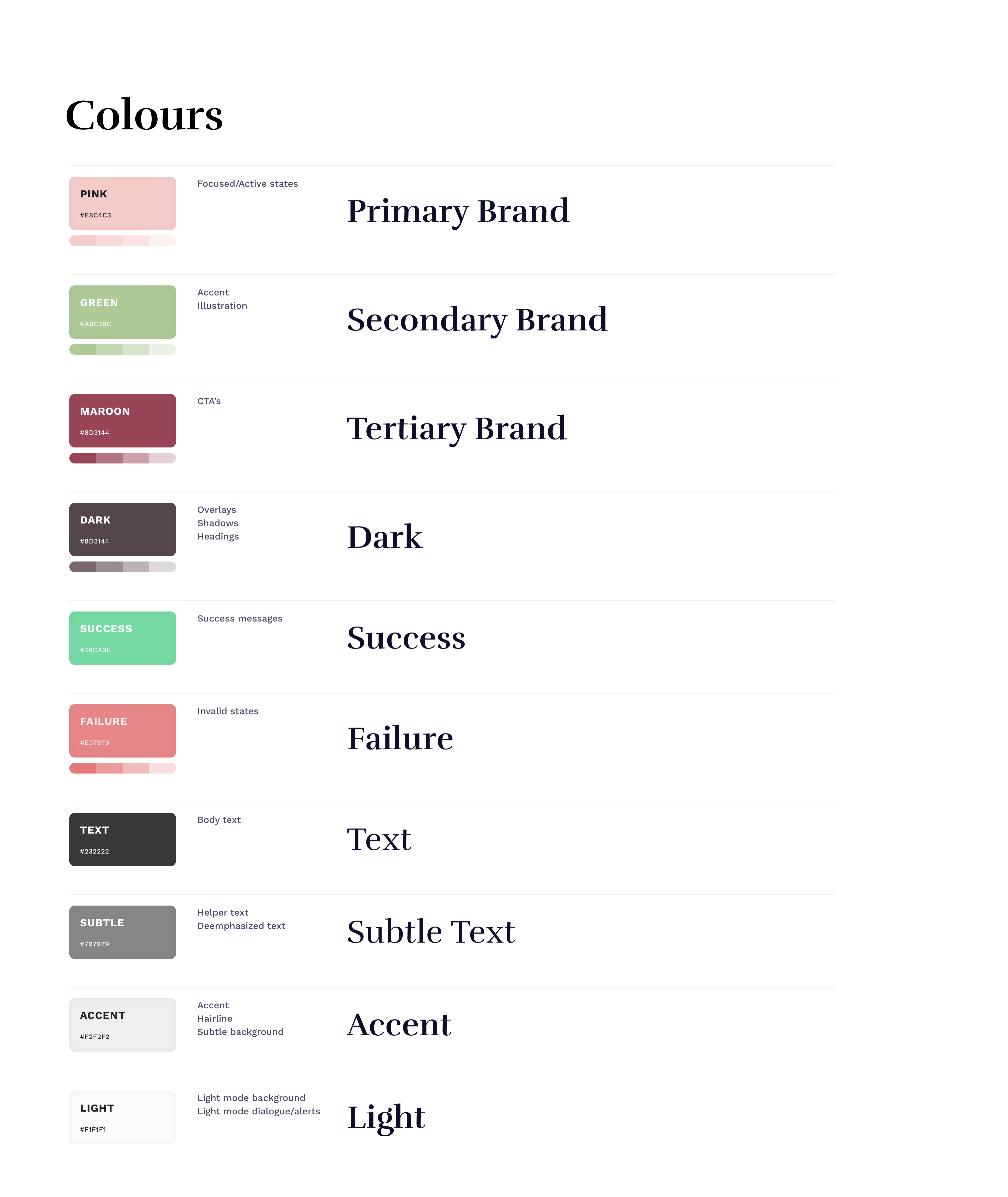
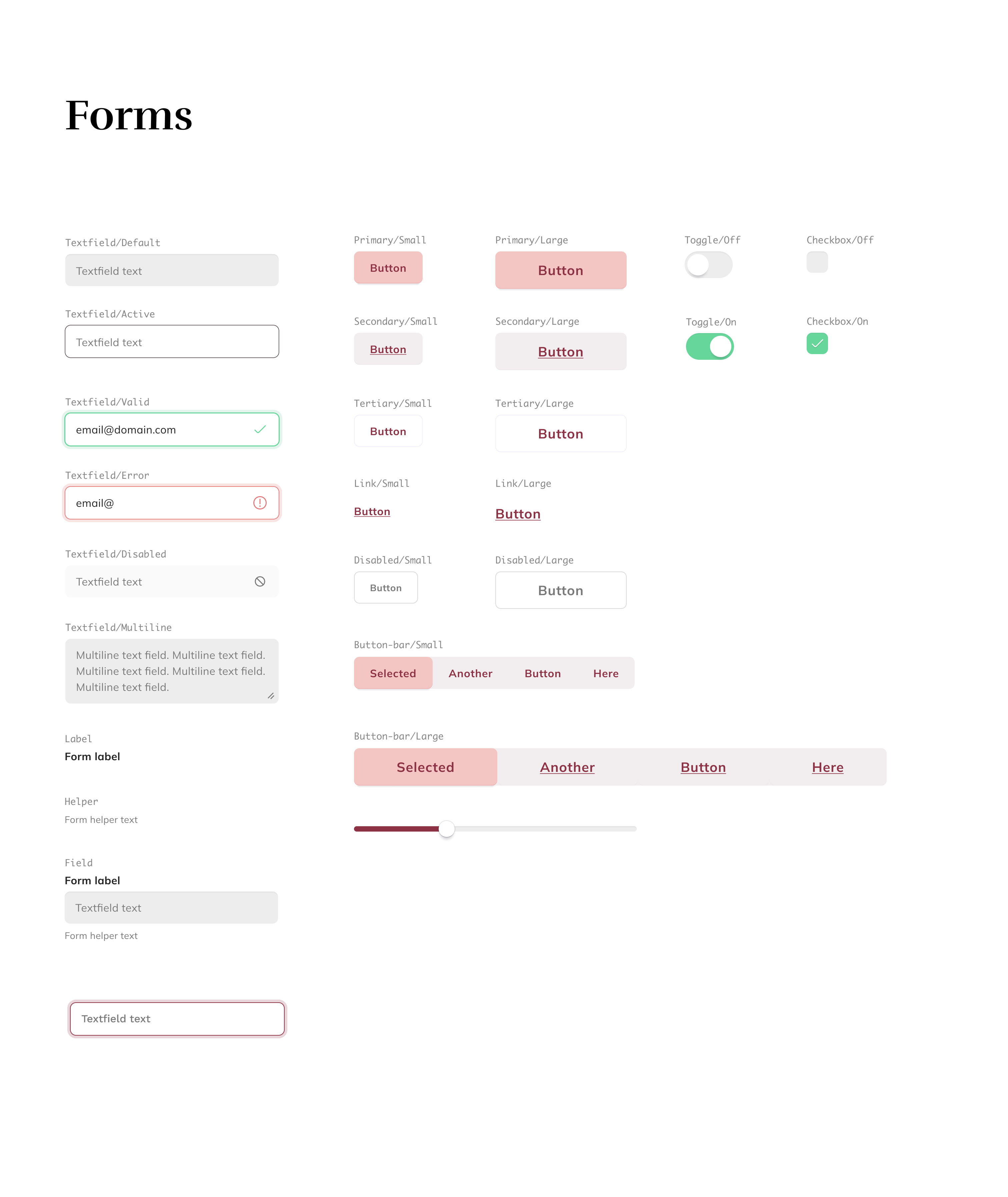
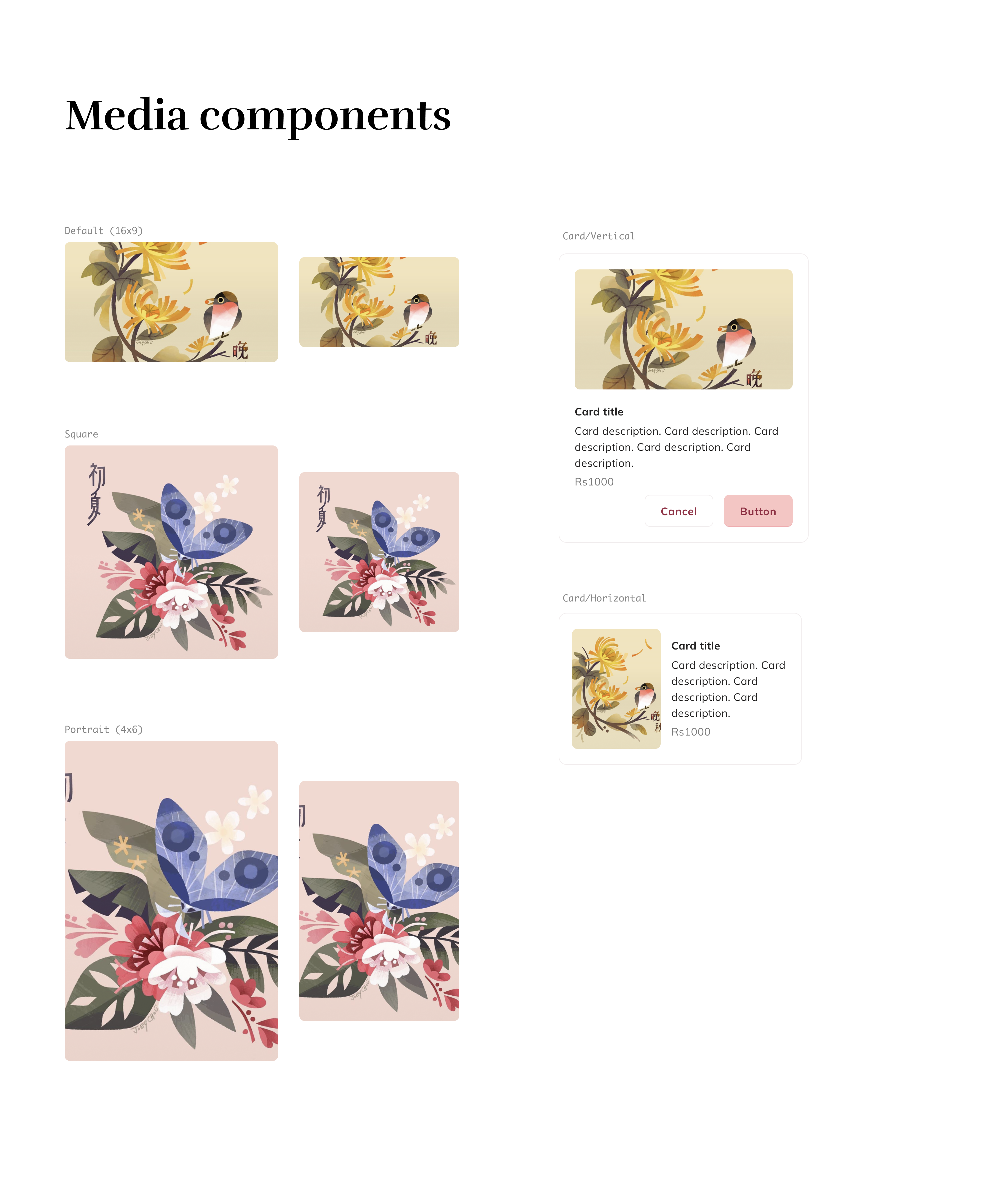
As this is a start up, I created an atomic design system. I took the brand colours and typography as a starting point, and built the design system as follows:

01

Typography

02

Colours

03

Buttons

04

Icons

05

Cards

06

Layout

Iterations

Earlier I had started with a desktop version of the wireframes, but soon I realised that mobile-first would be a better approach for this project.

From

To

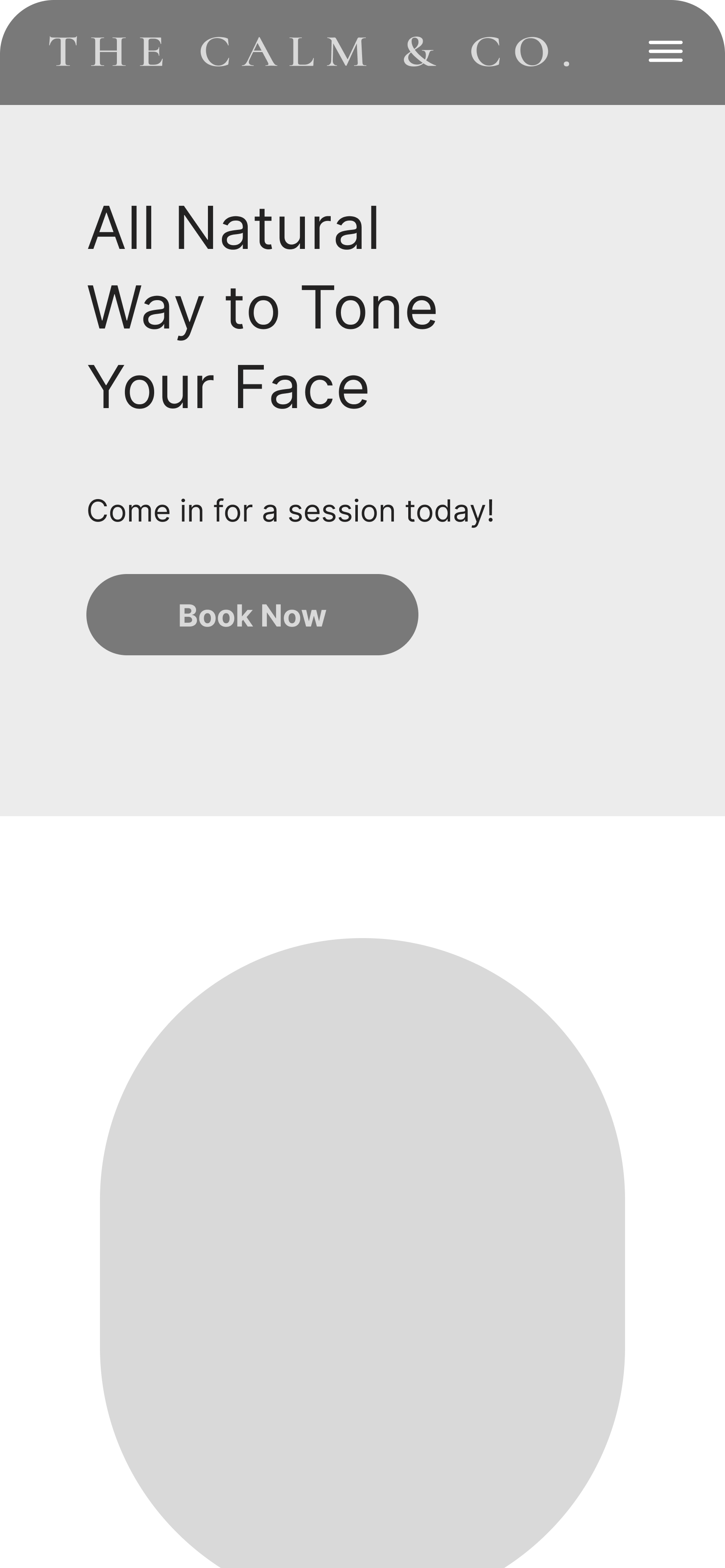
Home page mobile version

75%

Task Success Rate

60%

Increased Trust Score

What I Learned

This project taught me how to design a calming, user-friendly experience by aligning user psychology with business goals. I learned to simplify booking flows based on real pain points and use research and visual design to build trust, clarity, and credibility for a wellness-focused brand.

Future Scope

The next phase of the project could include launching the live website and conducting real-world usability testing to validate design decisions. There’s also potential to expand features like automated reminders, payment integration & referral incentives. Over time, adding client feedback loops and analytics tracking can help refine the user journey and support business growth.

High fidelity screens

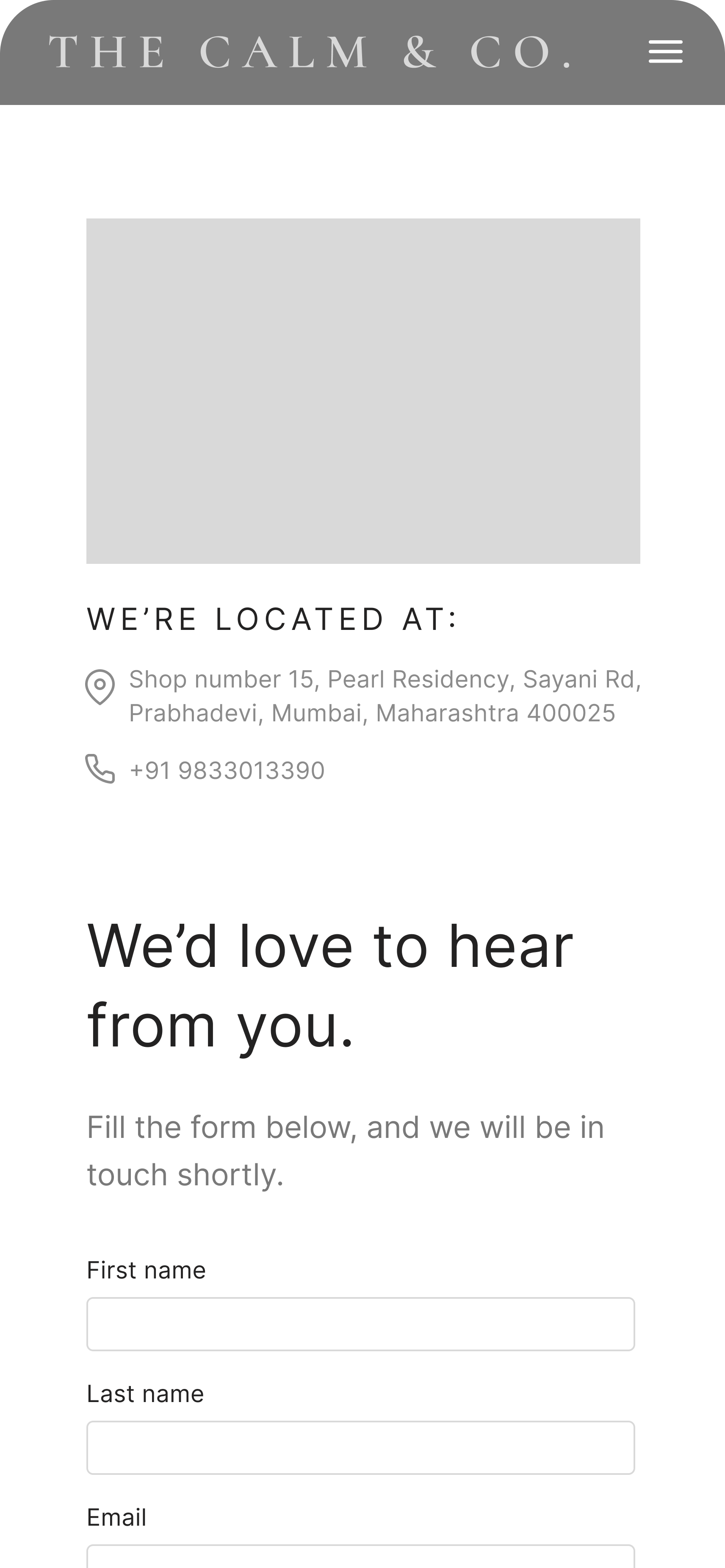
I translated the wireframes into high-fidelity screens to bring the brand to life through visuals, tone, and interaction. This stage allowed me to refine the user experience, apply the visual identity, and ensure the final design felt polished, intuitive, and aligned with Calm & Co’s calming and trustworthy personality.

Back

Simplifying stock screening flows for 68% task success

Redesigned a stock screening platform – Screenwich – to improve usability, simplify stock discovery and valuation, and boost engagement for investors.

  • Role

    Product Designer, UI Designer, UX Researcher

  • Team

    6+ members

  • Tools

    Figma, Miro, Abobe Illustrator, ChatGPT, UXPilot, Magic Patterns

View Project

Redesigning social book discovery

Designed an app that simplifies book discovery and enhances social reading experiences through personalized recommendations, reading goal tracking, and in-app sharing.

  • Role

    Product Designer, UI Designer, UX Researcher

  • Team

    3+ members

  • Tools

    Figma, Miro, Abobe Illustrator

View Project